Nel 1755 fu consacrata la nuova chiesa di Gaiato, in sostituzione di quella vecchia, travolta da una frana. In essa sono conservati arredi e suppellettili, come l’imponente altare barocco ligneo, l’organo ottocentesco e l’immagine veneratissima della Madonna del Porto, miracolosamente salvatasi dalla distruzione della vecchia chiesa.
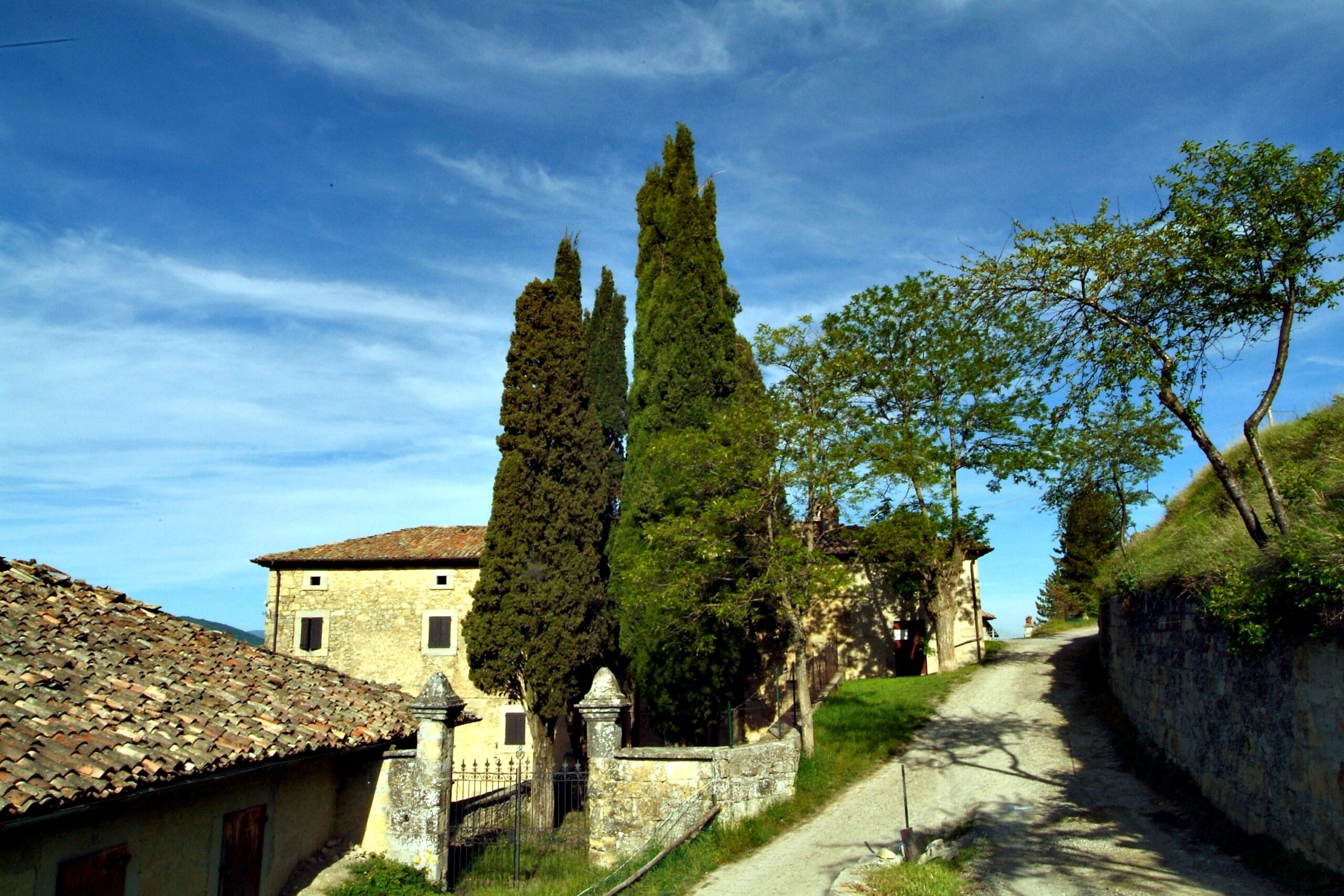
Nei dintorni si incontrano borghi di grande interesse storico e architettonico con esempi di edifici rurali e signorili che ancora conservano integre le strutture originarie.
Il Casino Messerotti e il Mercatello, poco distanti dalla chiesa lungo la strada a sinistra, presso cui si teneva fin dal Medioevo uno dei mercati più frequentati della zona, La Ca’, proprio dirimpetto alla chiesa parrocchiale, esempio di casa-torre a corte chiusa, cui si accede attraverso un portale bugnato ad arco a tutto sesto.
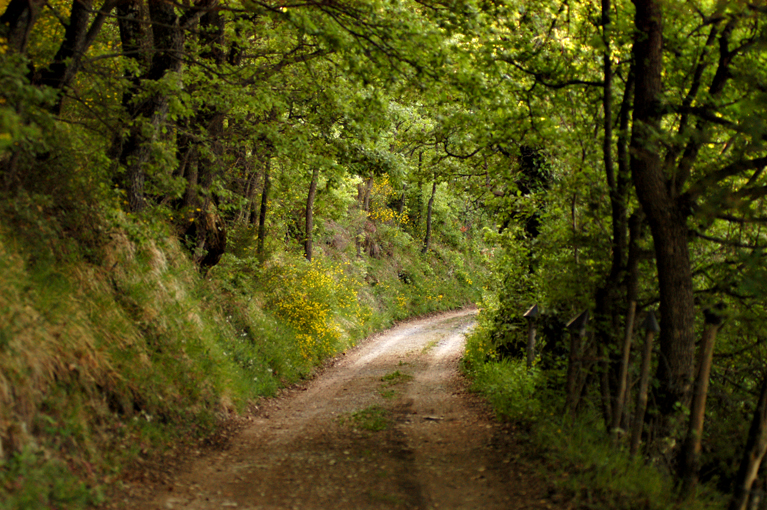
A monte, lungo la strada verso la torre, fiancheggiata da una lussureggiante siepe di bosso, si incontra la Bagada, nucleo abitativo medievale cui si accede attraverso un portale bugnato.
All’esterno su una parete una formella con un bassorilievo raffigurante il Crocifisso, S.Pietro e una figura femminile, forse la Madonna.
Sulla strada per Montorso si incontra Oppiano, il cui nome compare nei primi documenti frignanesi risalenti al secolo IX. La sua antichità è legata ai resti precari di una casa torre.
L’origine della località denominata Gaiato Pianelli risale agli inizi del secolo scorso, quando lungo la strada Pavullo-Valdisasso-Fanano, un certo Davide, uomo intraprendente detto anche “al Dievel” per l’aspetto burbero e i modi spicci, aprì un’osteria.
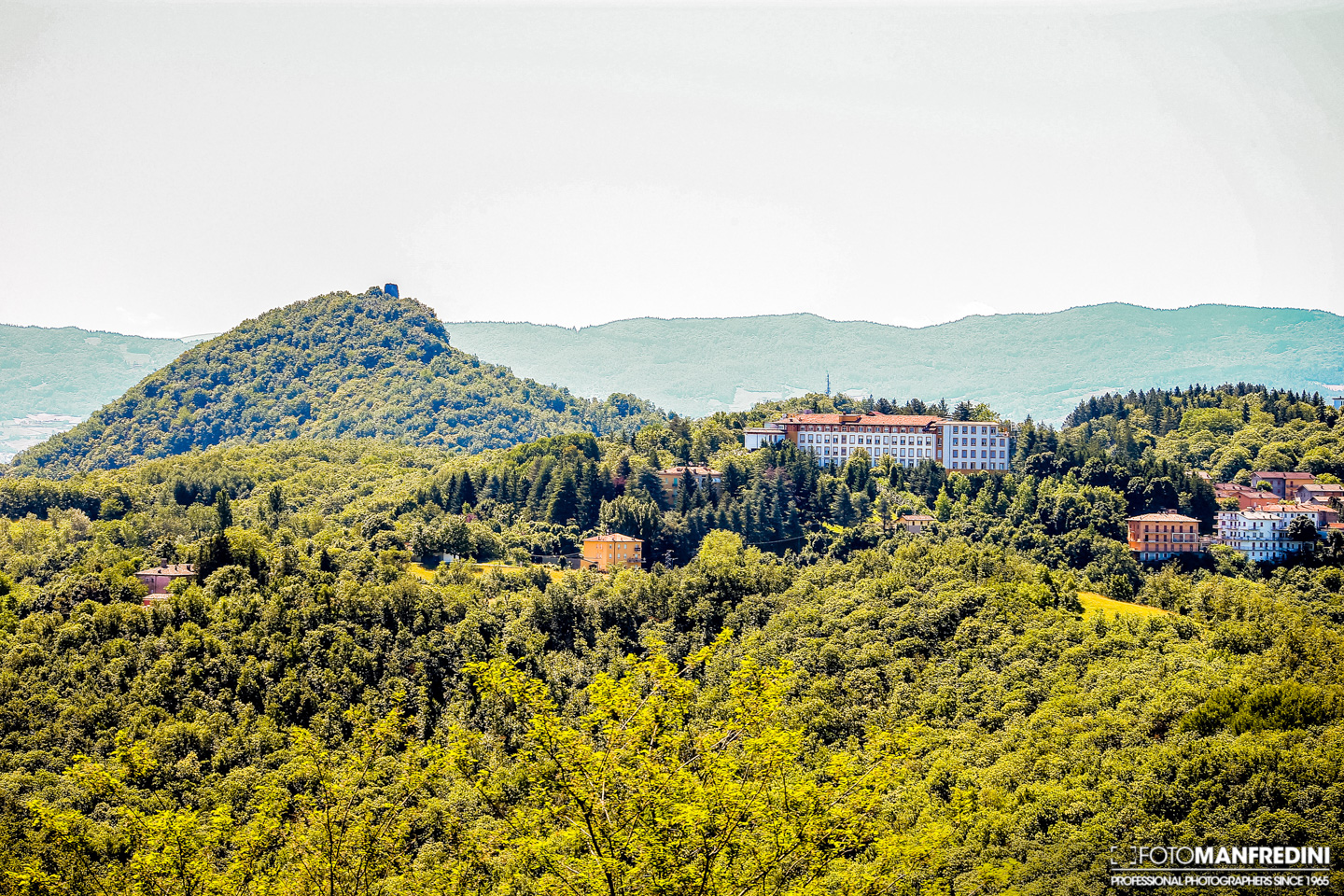
La località all’inizio venne chiamata Ca’ ad Davéd poi Ca’ dal Dievel e infine con il generico toponimo Pianelli. Negli anni Trenta vi furono costruiti due sanatori, per l’aria particolarmente salubre che si respira a quell’altitudine. Da allora la località si è via via sviluppata con ristoranti ed alberghi rinomati.
Brusiano, località dalla storia secolare, si trova lungo l’antica strada ducale che da Modena portava a Valdisasso, Fanano e in Toscana. Posta in luogo strategico, vi sorgeva una famosa osteria, luogo di sosta per i viaggiatori. La locanda, al tempo dei conti Andrea e Alessandro Montecuccoli conti di Renno e Gaiato, fu da questi prepotenti signorotti trasformata in fortino dove i loro bravi taglieggiavano i viaggiatori (secolo XVII). Qui sorge ancora l’antica casa della famiglia Grandi, da cui discende Jacopo che nel secolo XVII diede lustro alla sua stirpe e al Frignano come medico nello Studio Anatomico delle Università di Venezia e di Padova. Addossato alla casa un piccolo oratorio privato.
Il Cantone è una suggestiva località posta all’imbocco dell’erta strada che porta alla Torre di Gaiato. Una casa torre, purtroppo cadente, mostra sopra l’architrave della porta sul balchio gli stemmi dei Montecuccoli, che sul monte possedevano una rocca.
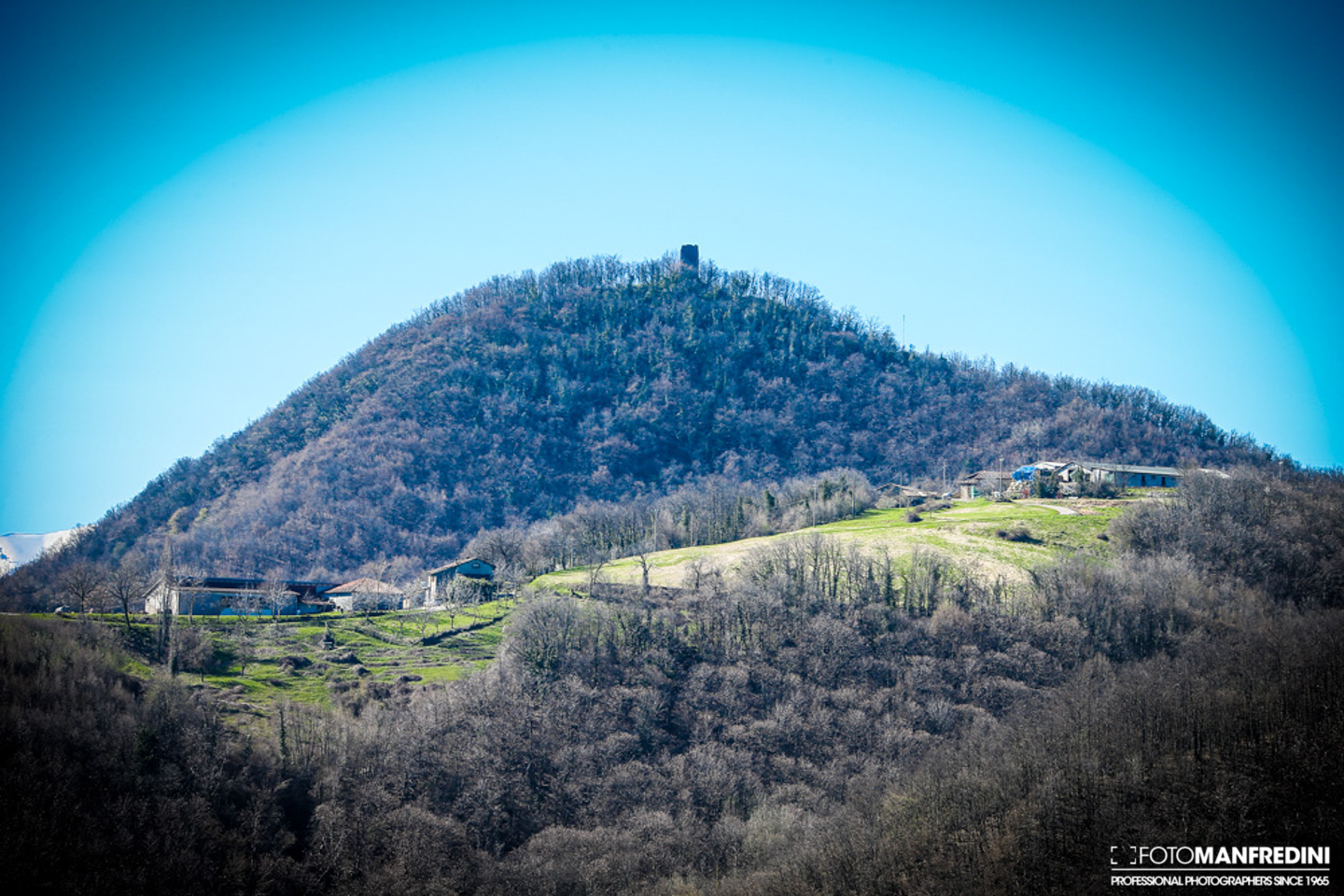
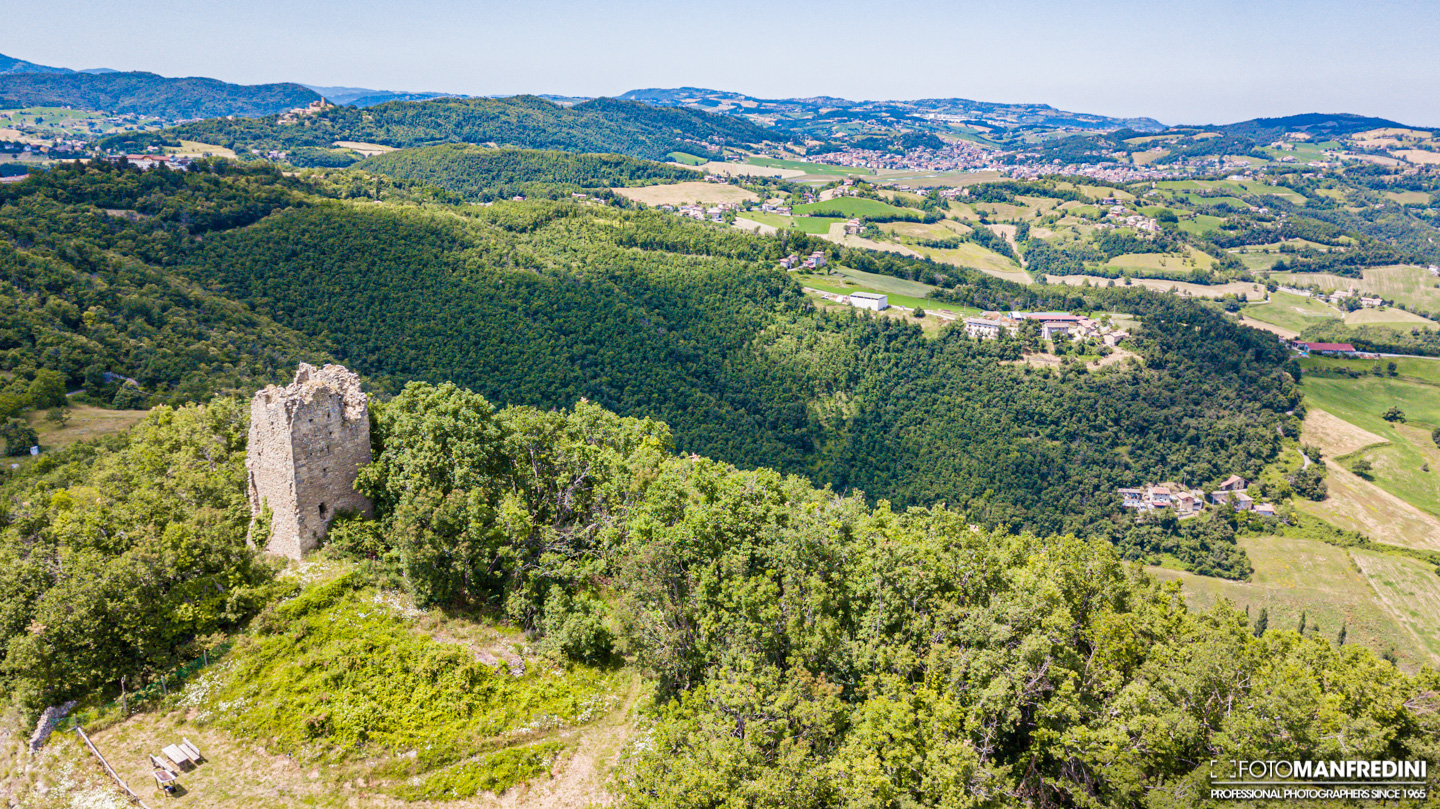
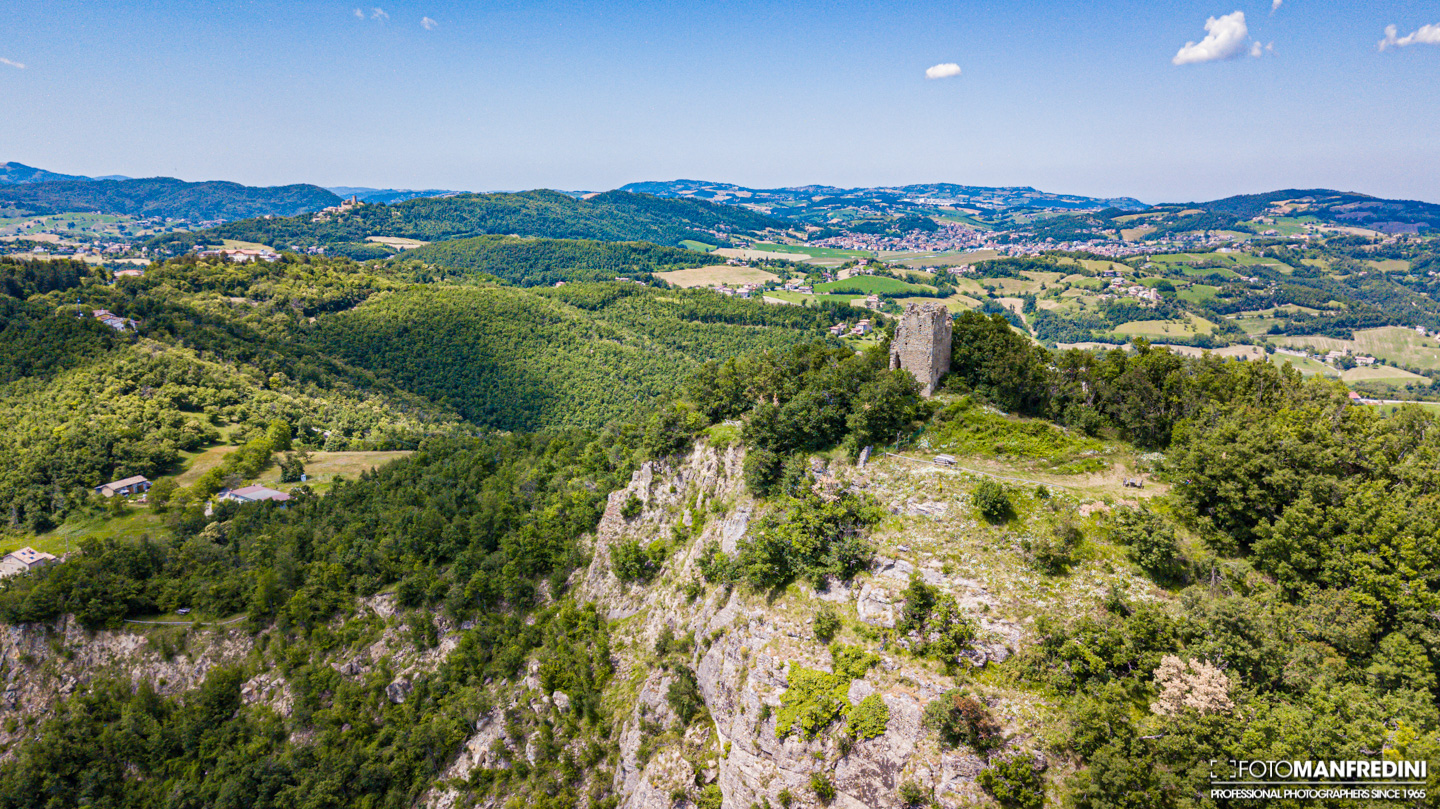
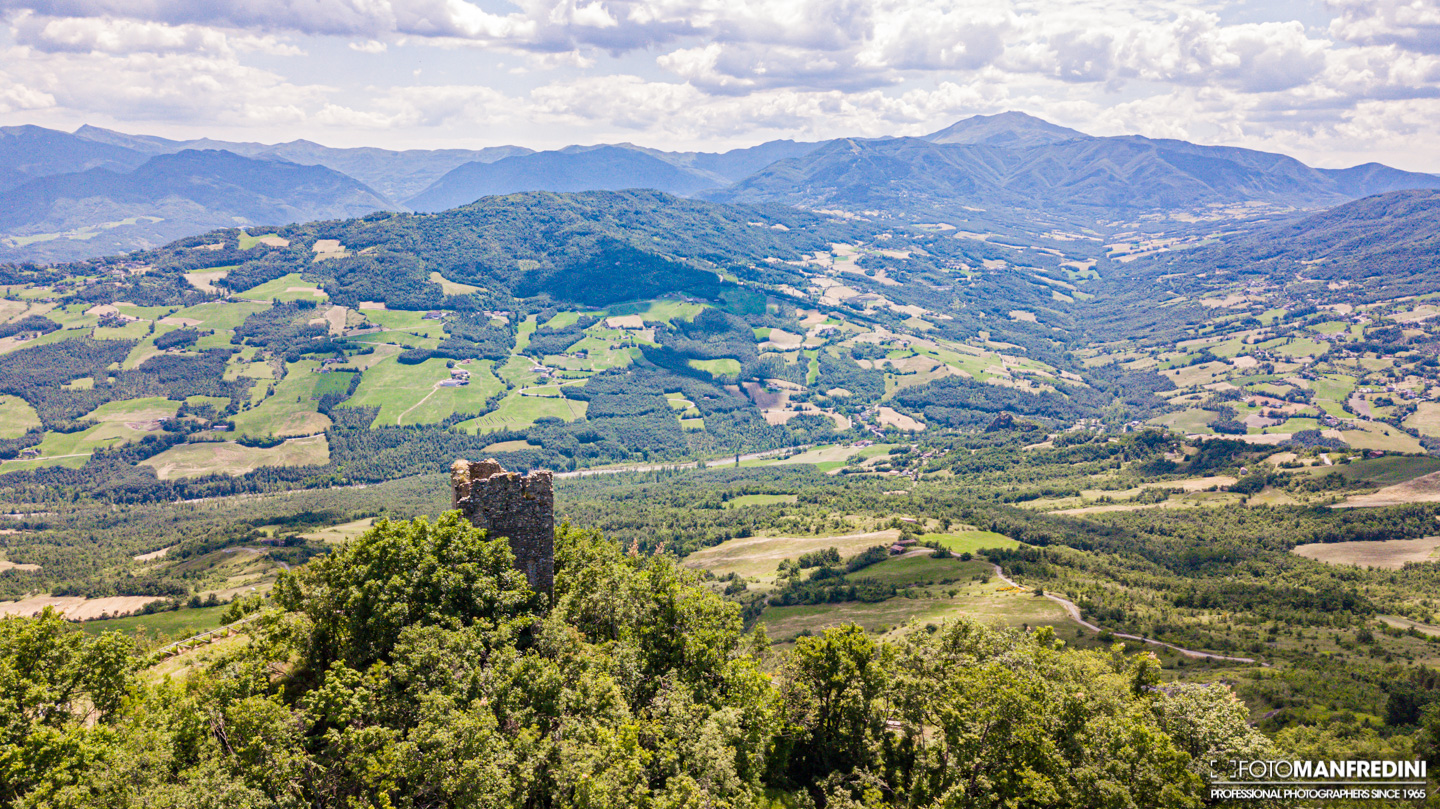
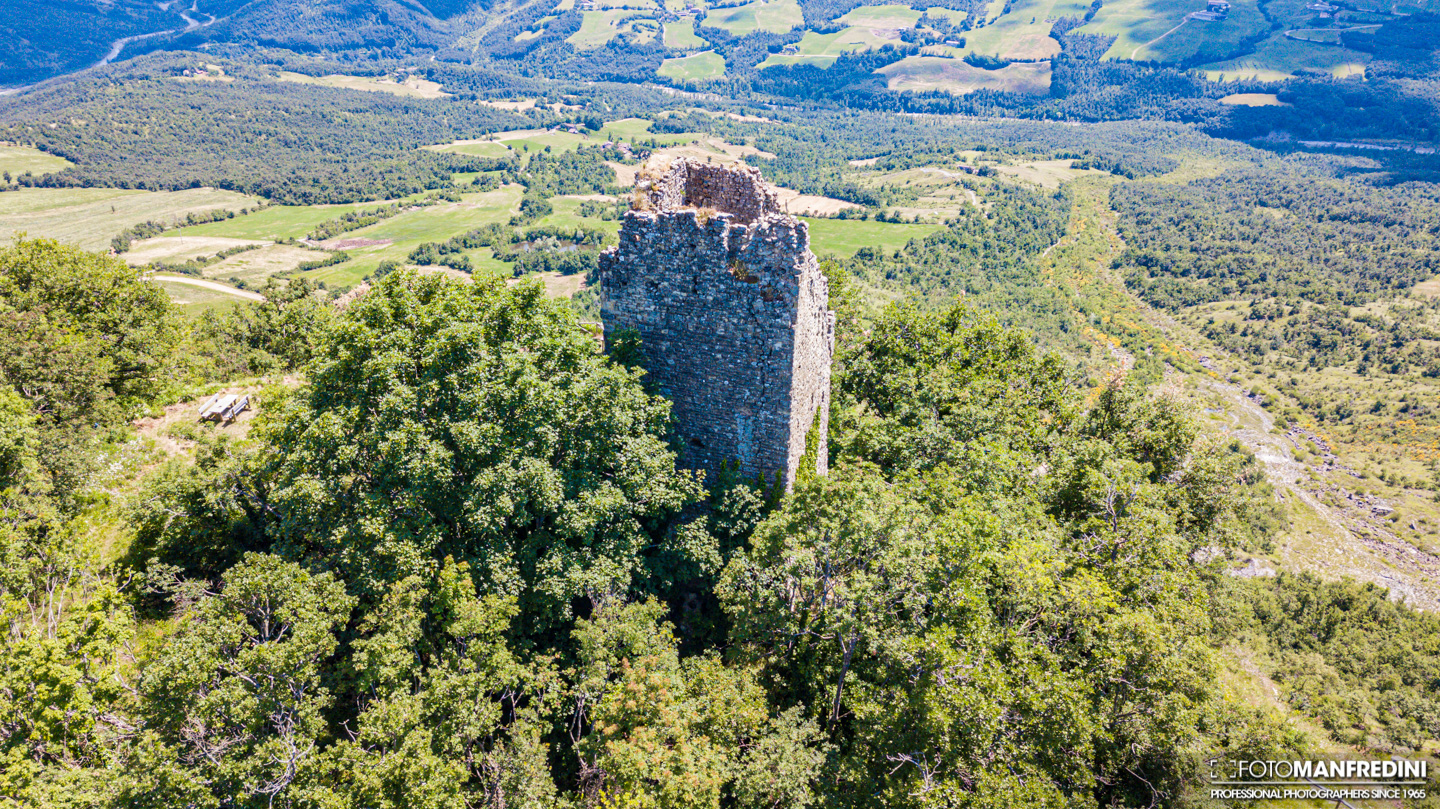
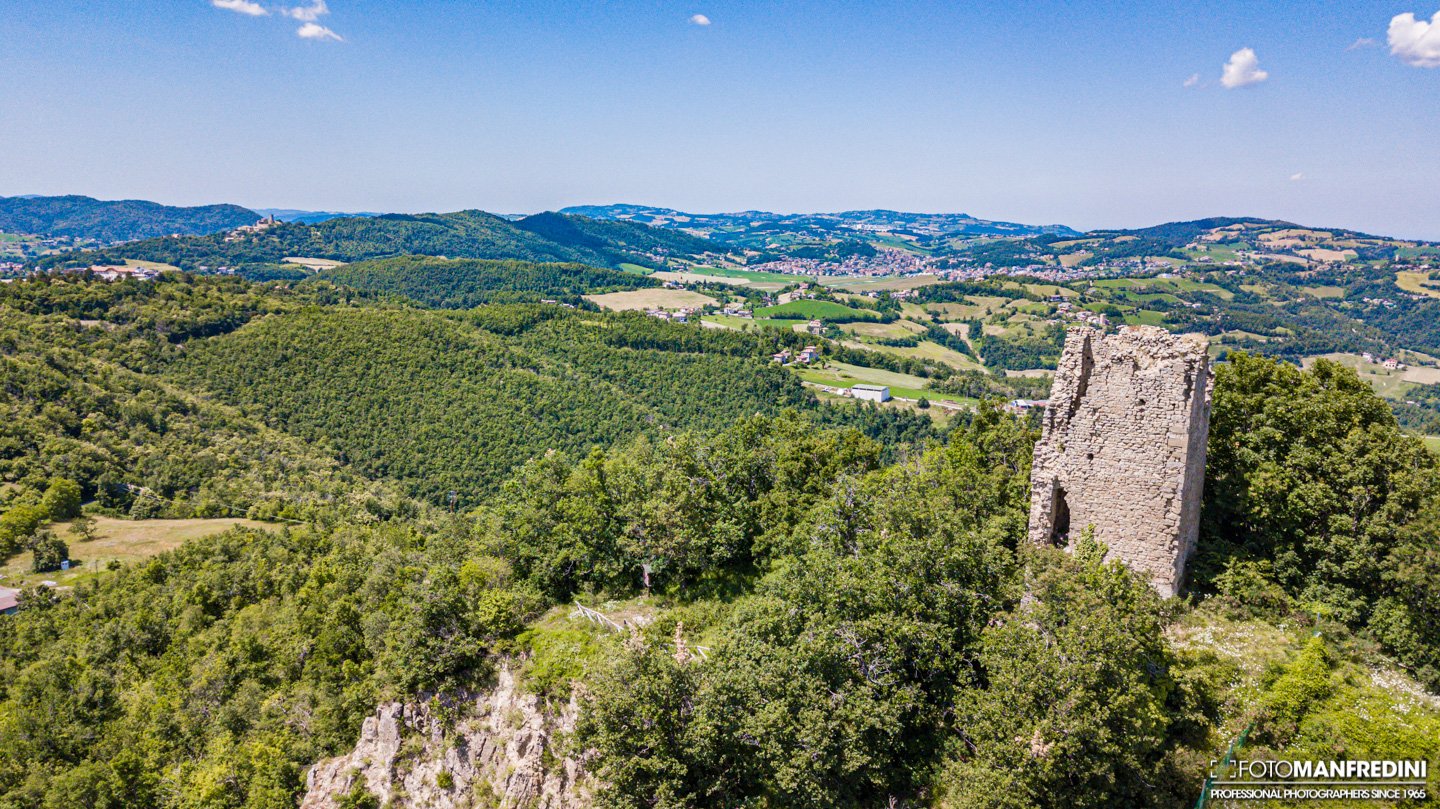
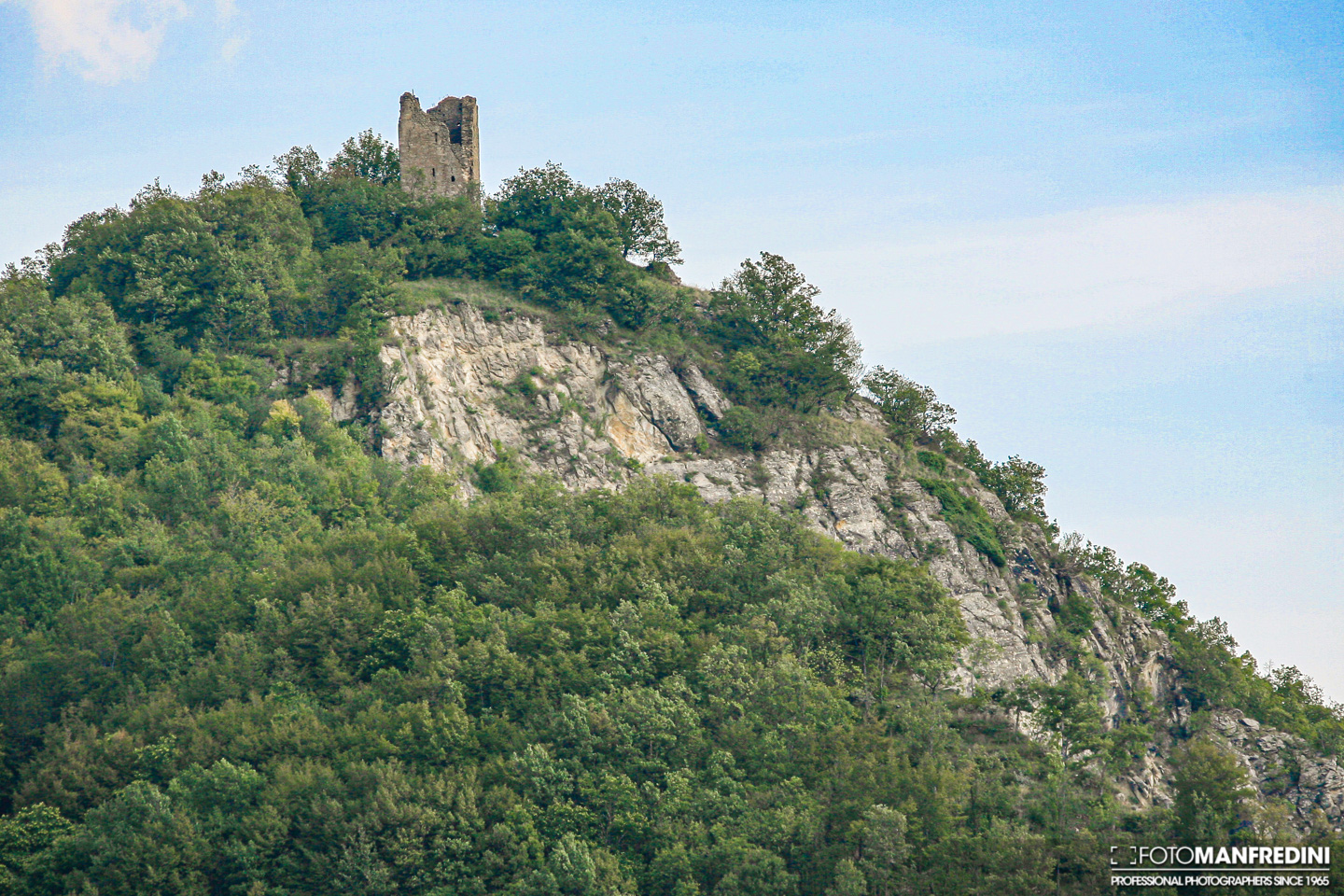
Fin dalle epoche più antiche lo straordinario punto strategico su cui sorge la Torre di Gaiato è stato utilizzato per il controllo delle sottostanti valli dello Scoltenna e del Panaro e di gran parte del medio Frignano. I più antichi apprestamenti militari, romani, bizantini e longobardi, sono scomparsi. Al loro posto si trova ciò che resta di una torre di epoca matildica, rafforzata dai Montecuccoli, che ne fecero tra il Quattrocento e il Cinquecento una vera e propria rocca. Importante la sua funzione all’epoca del brigantaggio che infestò il Frignano in quel periodo per opera delle bande di Morotto, di Cato da Castagneto e dei Tanari di Gaggio.
Pacificato il Frignano dagli Estensi, i Montecuccoli la abbandonarono per trasferirsi a Renno di Sopra. La torre perse così parte della sua funzione originaria, continuando però a controllare la strada ducale che da Pavullo per Valdisasso e Fanano portava in Toscana. Fino alla fine del secolo XVIII sulla torre era collocata la campana della comunità di Gaiato, da qui trasferita sull’attuale campanile della chiesa per maggiore comodità del campanaro.
English version
In 1755 the new church of Gaiato was consecrated, in replacement of the old one, crushed by a landslide. In it are preserved furnishings such as the imposing Baroque wooden altar, the nineteenth century organ and the image of the highly venerated Madonna del Porto, miraculously saved by the destruction of the old church.
In the surrounding area you can find hamlets of great historical and architectural interest with examples of rural and stately buildings that still retain their original structures intact.
The Casino Masserotti and the Mercatello, not far from the church along the road on the left, where one of the most famous markets of the area, La Ca’, has been held since the Middle Ages, in front of the parish church, an example of a tower house with a closed courtyard, accessible through an ashlar portal with a round arch.
Upstream, along the road towards the tower, flanked by a lush box hedge, there is the Bagada, a medieval housing unit which is accessed through an ashlar portal.
Outside on a wall there is a tile with a bass relief depicting the Crucifix, S. Pietro and a female figure, perhaps the Madonna.
On the road to Montorso you come across Oppiano, whose name appears in the first documents of Frignano dating back to the 19th century. Its antiquity is tied to the precarious remains of a tower house.
The origin of the locality called Gaiato Pianelli dates back to the beginning of the last century, when along the Pavullo-Valdisasso-Fanano road, a certain Davide, an enterprising man also known as “al Dievel” due to his grouchy appearance and brusque manners, opened a tavern.
The small town was initially called Ca’ ad Davéd then Ca’ dal Dievel and lastly with the generic toponym Pianelli. In the 1930s two sanatoriums were built there due to the particularly healthy air that can be breathed at that altitude. Since then the place has gradually developed with renowned restaurants and hotels.
Brusiano, a town with a centuries-old history, is located along the ancient ducal road that led from Modena to Valdisasso, Fanano and Tuscany. Located in a strategic place, there was a famous tavern, a resting place for travellers. The tavern, at the time of the counts Andrea and Alessandro Montecuccoli, counts of Renno and Gaiato, was transformed by them into a small fort where their bravi extorted money from the travellers (17th century). Here still stands the ancient house of the Grandi family, from which Jacopo descends, who in the 17th century brought prestige to his lineage and to Frignano as a doctor in the Anatomical Studio of the Universities of Venezia and Padova. Backed against the house there is a small private oratory.
Il Cantone is a suggestive town located at the entrance to the steep road that leads to the Torre di Gaiato. A tower house, unfortunately crumbling, shows above the architrave of the balcony door the coats of arms of the Montecuccoli, who owned a fortress on the mountain.
Since ancient times the extraordinary strategic spot on which the Torre di Gaiato stands has been used to control the underlying Scoltenna and Panaro valleys and a large part of the Medio Frignano. The ancient Roman, Byzantine and Lombardic military structures have disappeared. In their place there is what remains of a tower from the Matildic era, reinforced by the Montecuccoli, who made it an out and out fortress between the fifteenth and sixteenth centuries.
Its function was important at the time of the brigandage that infested the Frignano during that period by the gangs of Morotto, Cato da Castagneto and the Tanari di Gaggio.
Once the Frignano was reconciled by the Estensi, the Montecuccoli abandoned it to move to Renno di Sopra. This way the tower lost part of its original function, but continued to control the ducal road that led from Pavullo to Valdisasso and Fanano to Tuscany. Until the end of the 18th century the bell of the Gaiato community was situated on the tower and from here it was transferred to the current bell tower of the church for greater ease of the bell ringer.