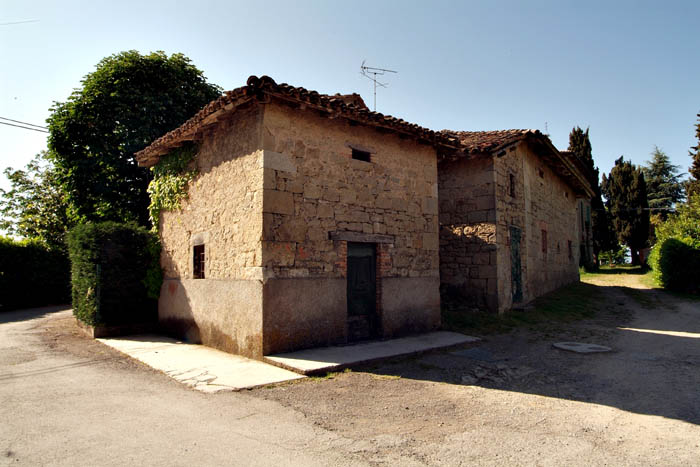
Località ridente e soleggiata, come sottolinea il significato del toponimo, fu nel Medioevo centro politico e religioso particolarmente importante. La famiglia dei “da Verica” era schierata nella fazione ghibellina e parteggiò per i Montecuccoli. La comunità era compresa nel feudo di Semese, che i Montecuccoli tennero fino al 1630 e poi scambiarono con Guiglia.
Verica e le altre località furono allora date in feudo alla famiglia Bagnesi.
Pieve di Verica
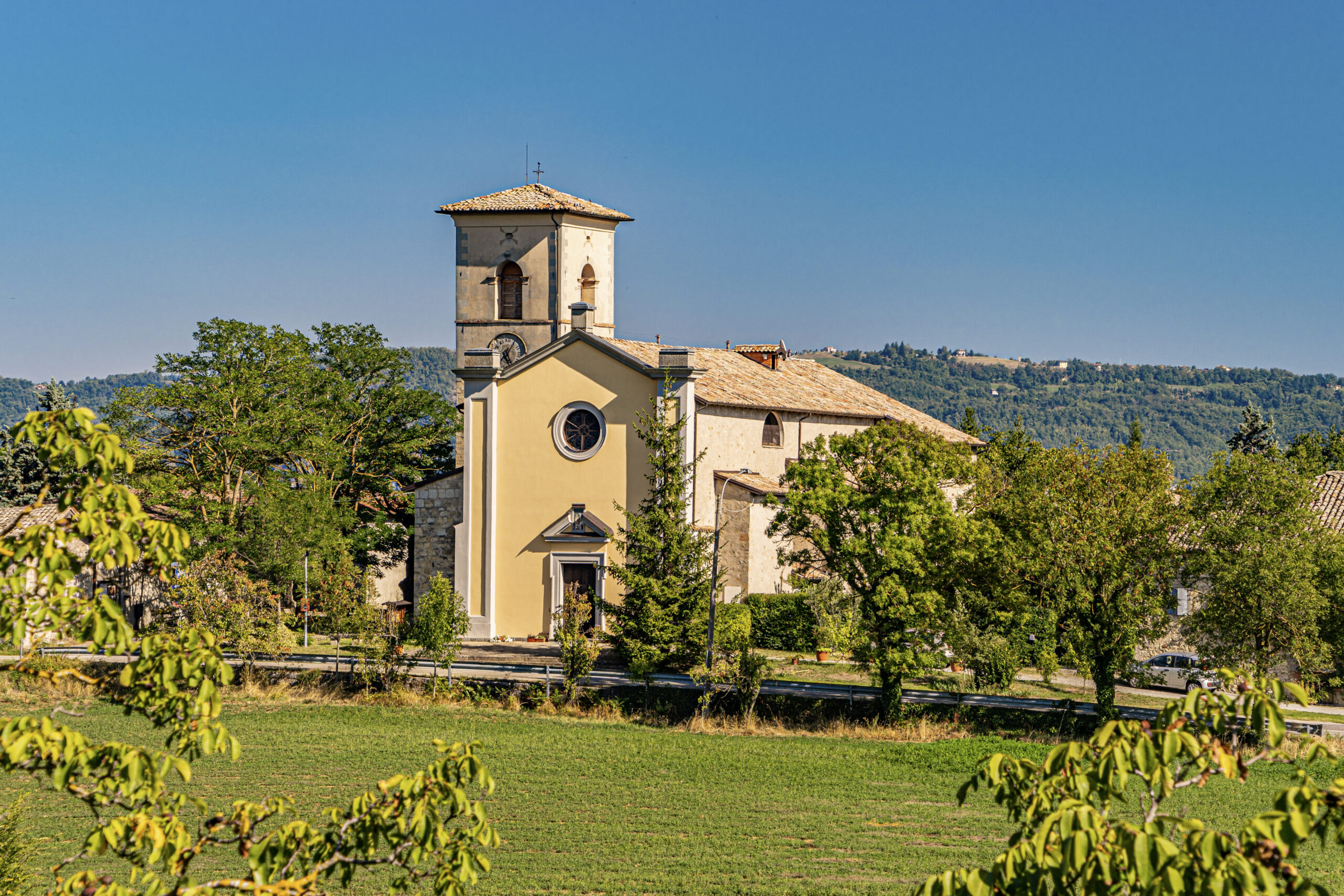
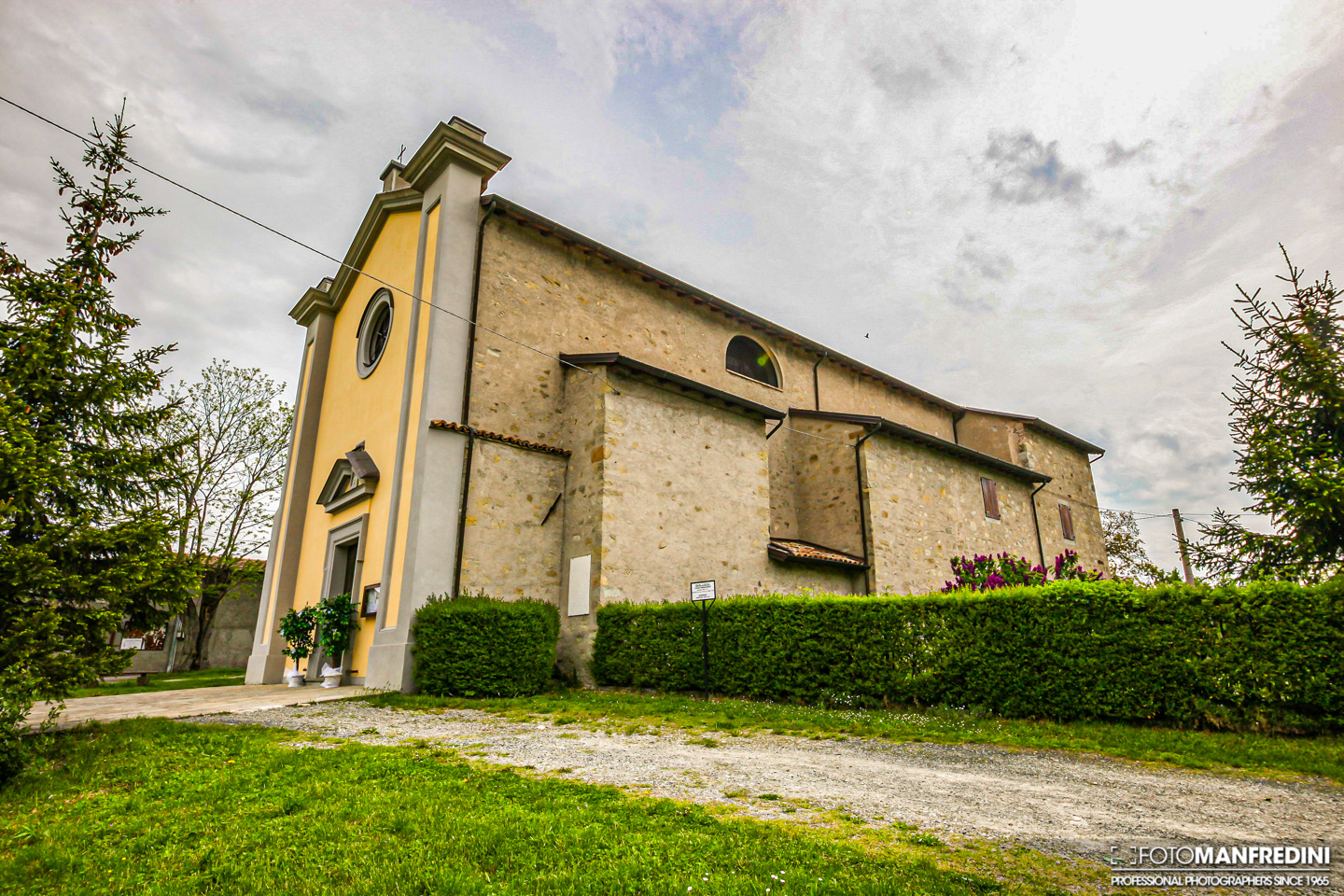
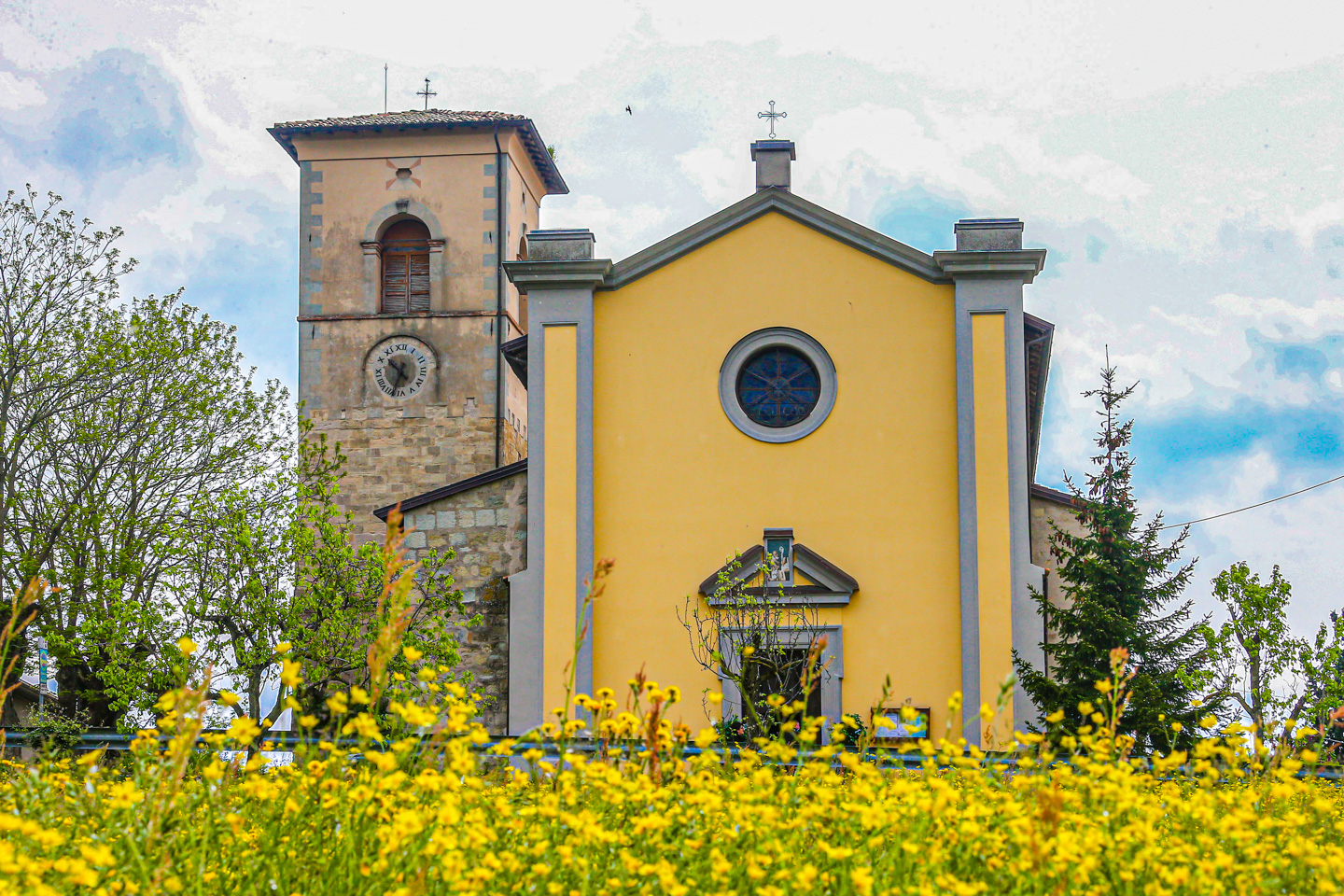
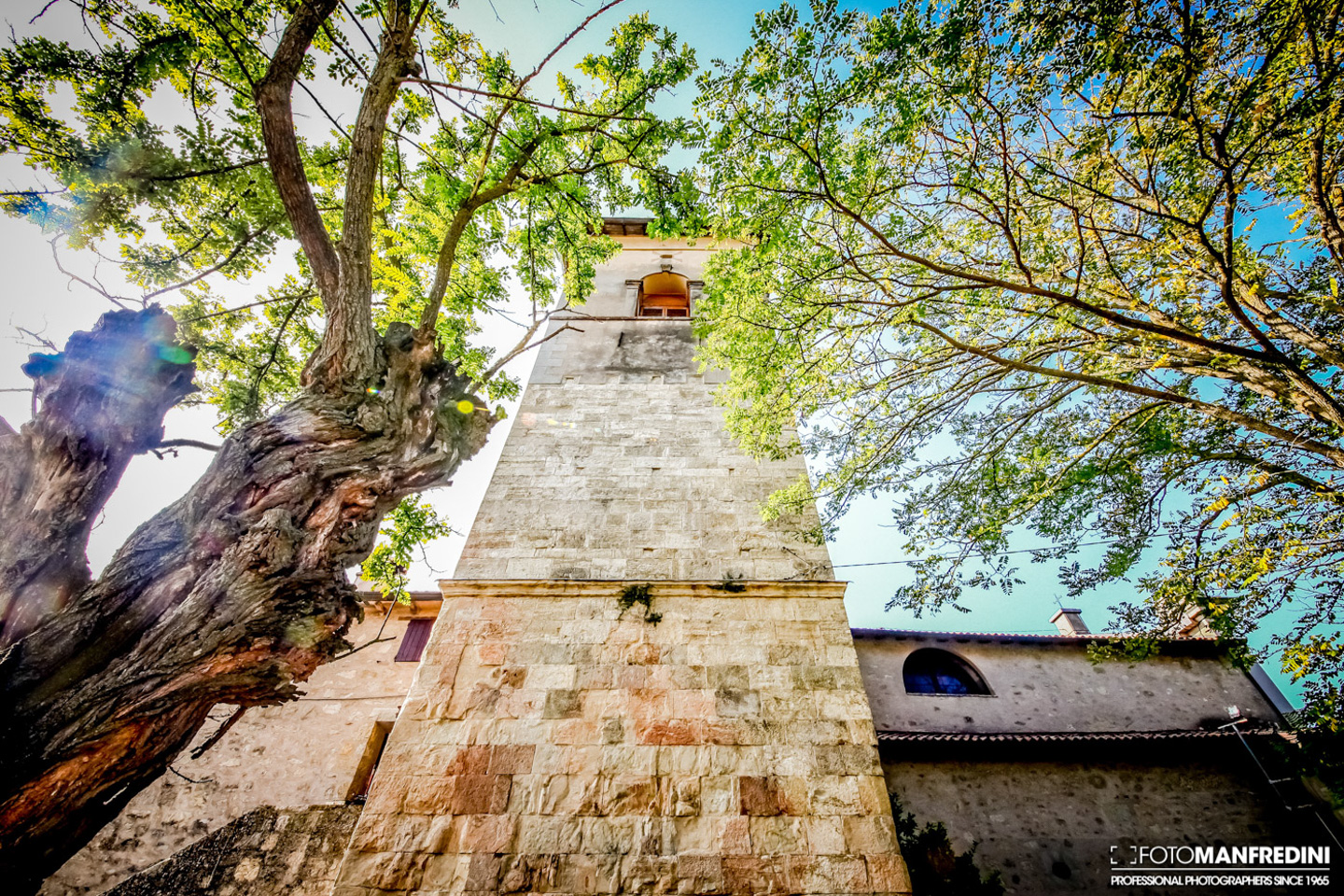
La chiesa di San Geminianodi Verica è una delle pievi più antiche del Frignano, ebbe giurisdizione su cinque chiese filiali e, come la maggior parte delle pievi, sorge discosta dal paese, poichè l’edificio plebano non si doveva identificare con un borgo in particolare, ma essere punto di riferimento spirituale di un territorio più vasto. L’edificio fu più volte rimaneggiato nei secoli passati e, più recentemente, nel 1981, in occasione del millenariodella pieve. Conserva al suo interno un fonte battesimale di pietra finemente scolpito, simbolo dell’antica dignità di pieve (ecclesia baptismalis), una serie di statue di terracotta attribuite alla scuola del Begarelli raffiguranti la Madonna del cardellino e vari santi tra cui Sebastiano, Antonio Abate e Giacinto, provenienti dalla chiesa di Semese. Di particolare interesse alcune pale d’altare tra cui una tela di Ascanio Magnanini raffigurante i Misteri del Rosario e nell’abside il quadro settecentesco di San Geminiano, opera del bolognese Giuseppe Crespi.
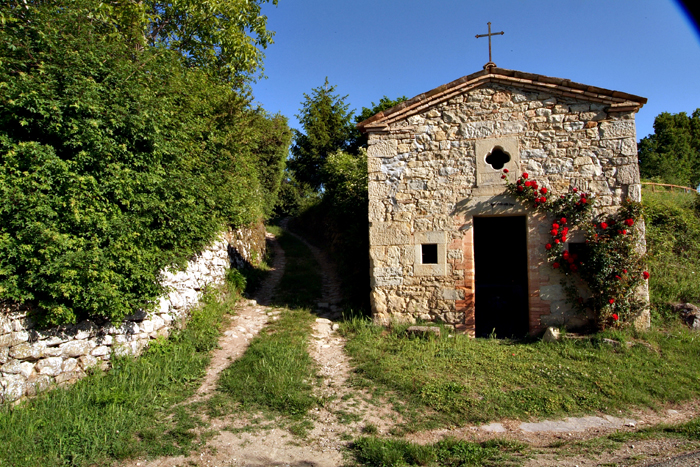
In paese si trova l’oratorio della Beata Vergine delle Grazie, un tempietto costruito (1836-1858) sul luogo in cui si venerava un’immagine della Madonna appesa ad un acero “oppio” cui i fedeli dal 1834 cominciarono ad attribuire miracoli e grazie. Nel territorio di Verica sorgono località che alla piacevolezza del paesaggio sommano caratteristiche storiche e architettoniche, con esempi significativi di edifici signorili e rurali e tracce delle fortificazioni disseminate in tutta la vallata almeno fino al Cinquecento.
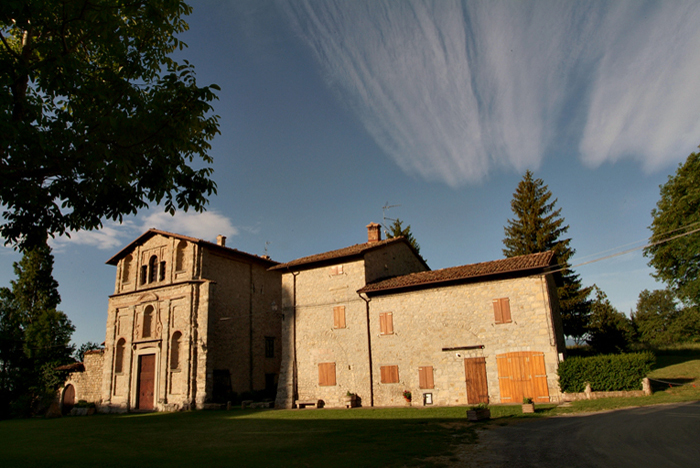
Particolarmente suggestivi i borghi di Ca’ di Marzo con edifici cinquecenteschi ornati da fregi e da una meridiana, Brocco dalla possente casa-torre in cui su uno dei portali è scolpito il simbolo del Diamante estense, simile a quello che si trova su un architrave di riporto in località Segalaia, infine Corogno e Monterastello.
Questi due ultimi si trovano sull’ampio crinale a ponente di Verica e sono collegati da una strada piana, lungo la quale, nascosta tra gli arbusti di una siepe, si trova una maestà dedicata a san Rocco, il santo invocato contro la peste, epidemia che notoriamente si sposta e si propaga insieme ai viaggiatori. Per questo motivo maestà ed oratori dedicati a san Rocco venivano eretti lungo le strade e all’imbocco dei villaggi (Niviano, Montebonello, Monzone e San Pellegrino di Pavullo).
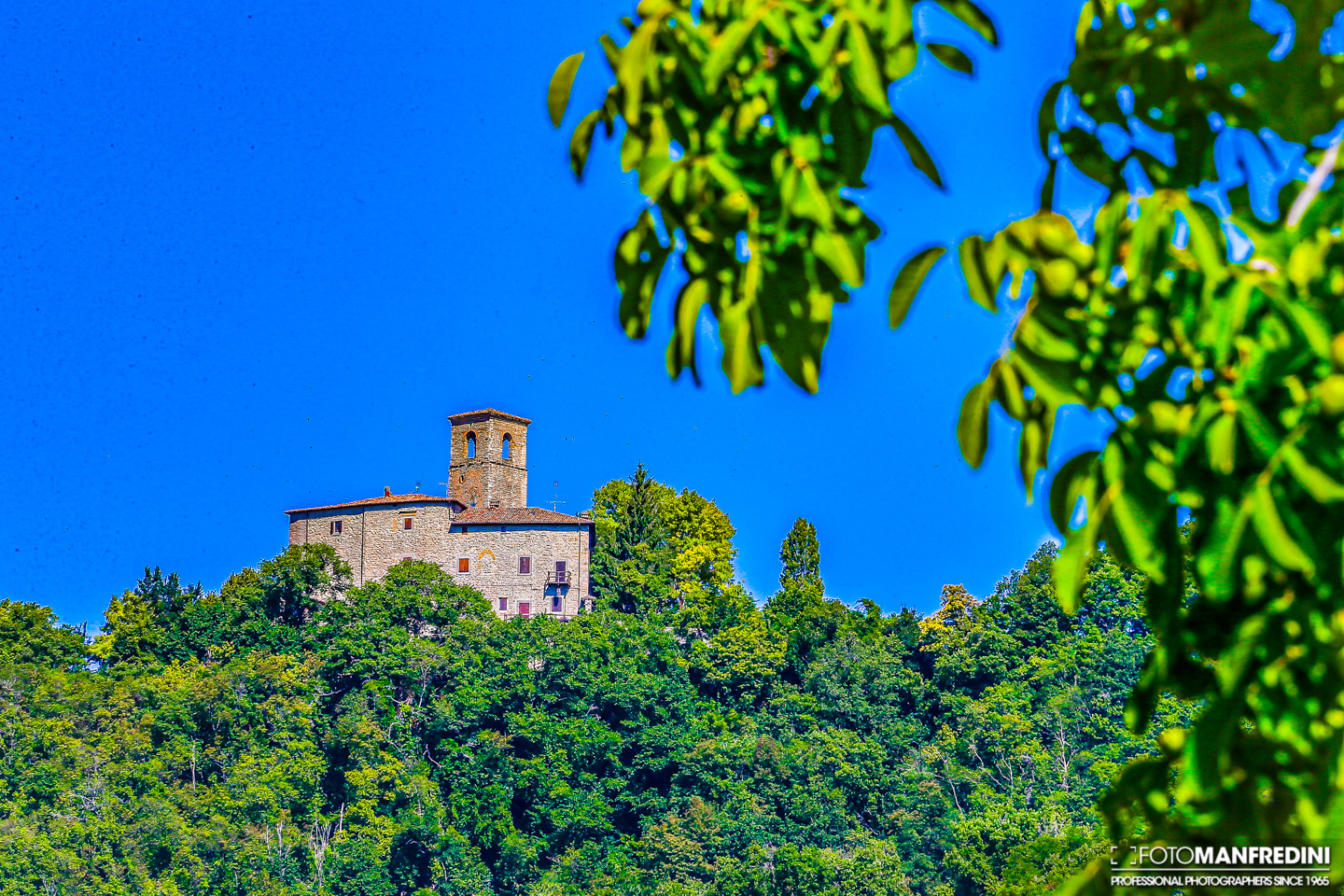
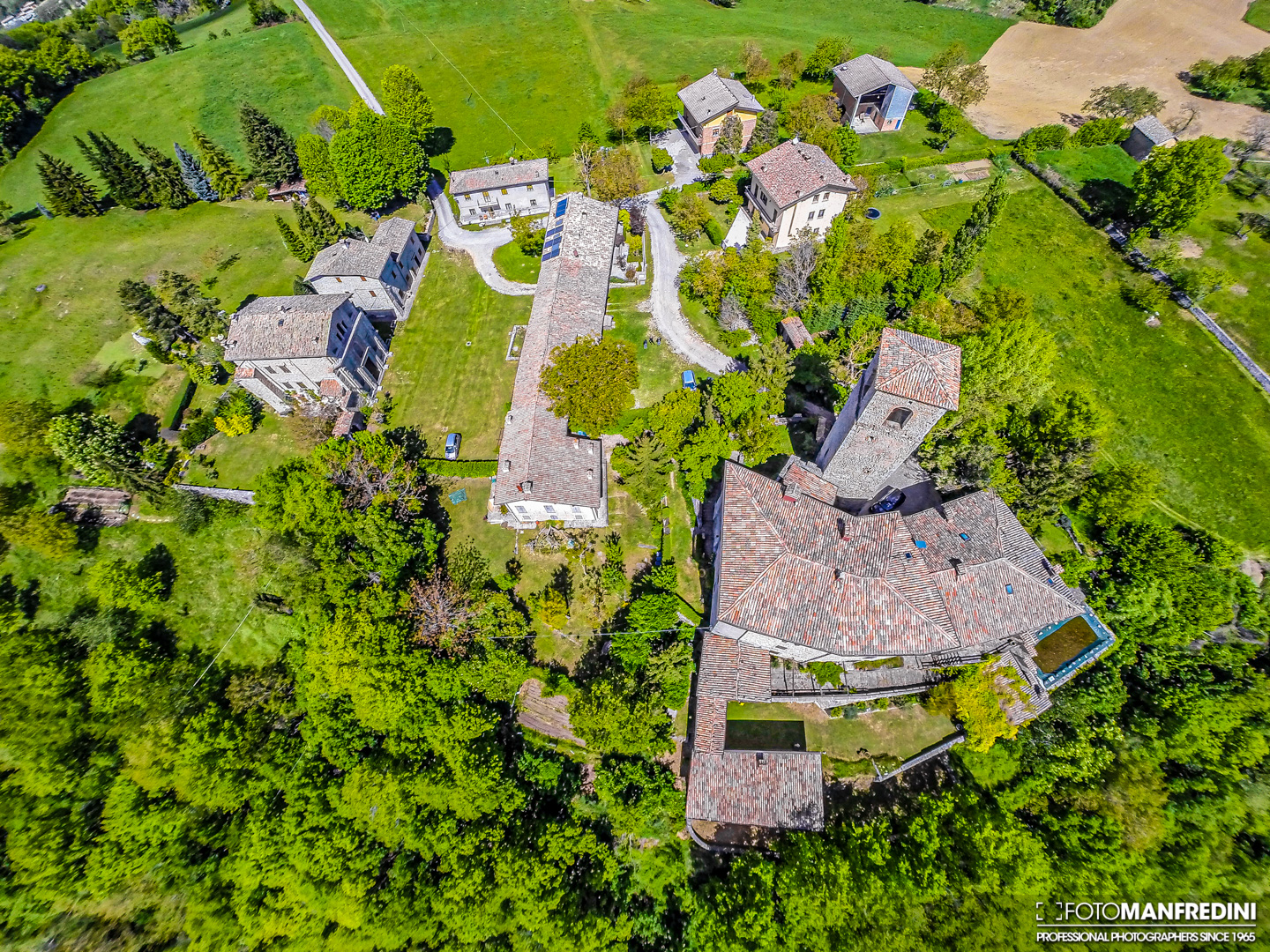
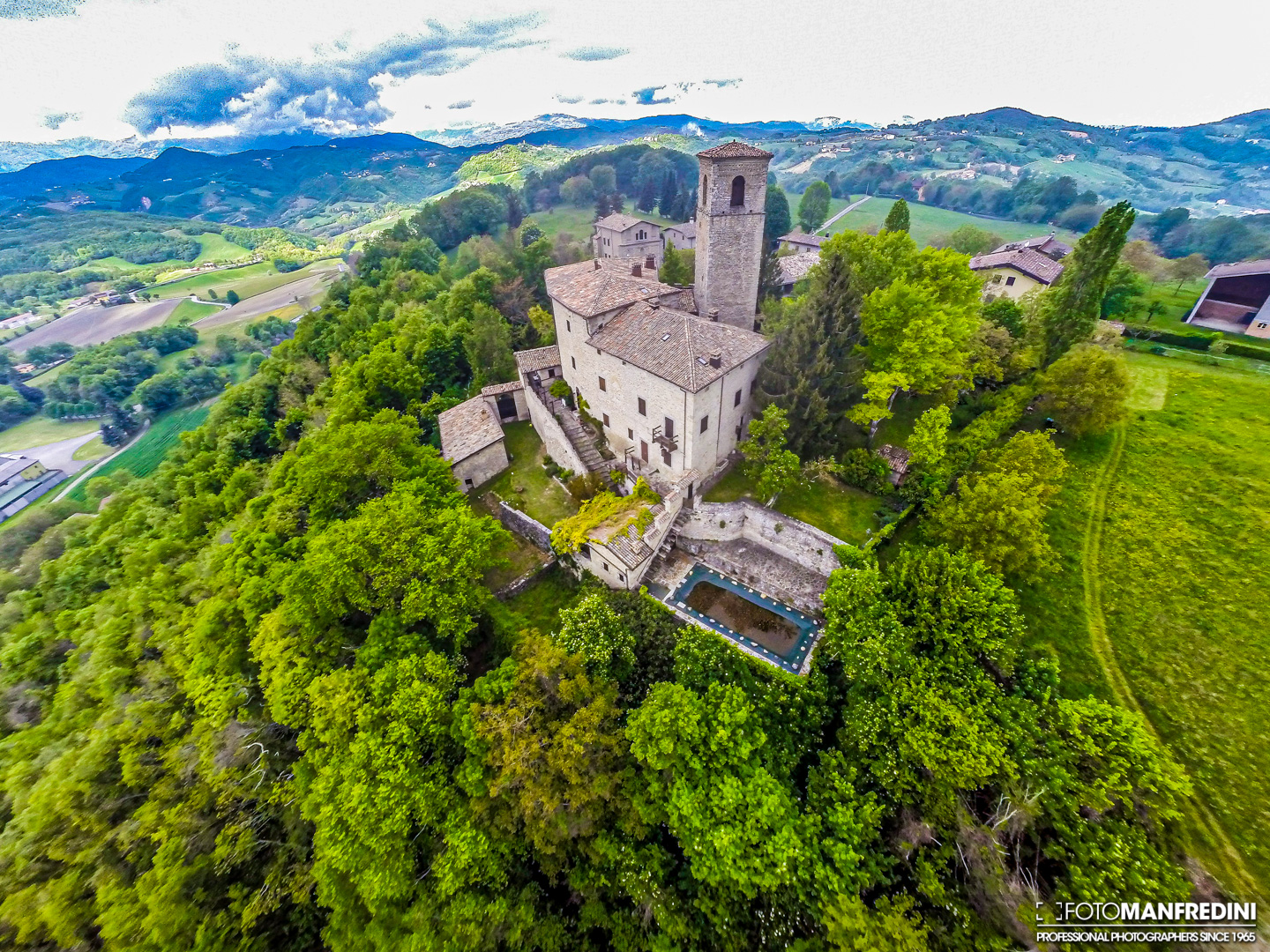
Monterastello è esempio di villaggio fortificato sorto intorno alla dimora feudale, costituita dalla torre addossata al palazzo e circondata da una cinta muraria con ingresso attraverso un portale a sesto acuto. Appartenne dapprima alla famiglia Pio di Carpi, poi ai Montecuccoli.
English version
The pleasant and sunny locality, as the meaning of the toponym underlines, was a particularly important political and religious centre in the Middle Ages. The “da Verica” family was aligned with the Ghibelline faction and sided with the Montecuccoli.
The community was included in the Semese feud, which the Montecuccoli held until 1630 and then traded with Guglia.
Verica and the other localities were then given as a fief to the Bagnesi family.
Pieve di Verica
The church of San Geminiano in Verica is one of the oldest parish churches in Frignano, it had jurisdiction over five affiliated churches and, like the vast majority of parish churches, stands far from the town, since the plebeian building was not meant to identify with a particular hamlet, but to be a spiritual point of reference of a broader territory. The building was reworked several times in the past centuries and, more recently, in 1981, on the occasion of the thousandth anniversary of the parish church. Inside is preserved a finely sculpted stone baptismal font, symbol of the ancient dignity of the church (ecclesia baptismalis), a series of terracotta statues attributed to the school of Begarelli depicting the Madonna of the Goldfinch and various saints including Sebastiano, Antonio Abate and Giacinto, coming from the church of Semese. Of particular interest are some altarpieces including a canvas of Ascanio Magnanini depicting the Misteri del Rosario and in the apse the eighteenth century painting of San Geminiano, the work of Giuseppe Crespi from Bologna.
In the hamlet there is the oratory of the Beata Vergine delle Grazie, a small temple built (1836 – 1858) on the site where an image of the Madonna hung on a field maple was venerated and to which the faithful began to attribute miracles and graces from 1834. In the territory of Verica there are localities that add historical and architectural characteristics to the pleasantness of the landscape, with significant examples of stately and rural buildings and traces of fortifications scattered throughout the valley at least until the sixteenth century.
Particularly suggestive are the hamlets of Ca’ di Marzo with sixteenth century buildings adorned with friezes and a sundial, Brocco with its imposing tower house in which the symbol of the Estense Diamond is sculpted on one of the portals, similar to the one found on a reused architrave in the locality of Segalaia, and finally Corogno and Monterastello.
The latter two are located on the wide ridge to the west of Verica and are connected by a flat road, along which, hidden among the shrubs of a hedge, there is a shrine dedicated to San Rocco, the Saint invoked against the plague, an epidemic that notoriously moves and spreads together with the travellers. For this reason the shrine and oratories dedicated to san Rocco were built along the roads and at the entrance of the hamlets (Niviano, Montebonello, Monzone and San Pellegrino of Pavullo).
Monterastello is an example of fortified village built around the feudal residence, constituted by the tower backed against the palace and surrounded by a wall with entrance through a pointed portal. Initially owned by the Pio di Carpi family and then by the Montecuccoli.