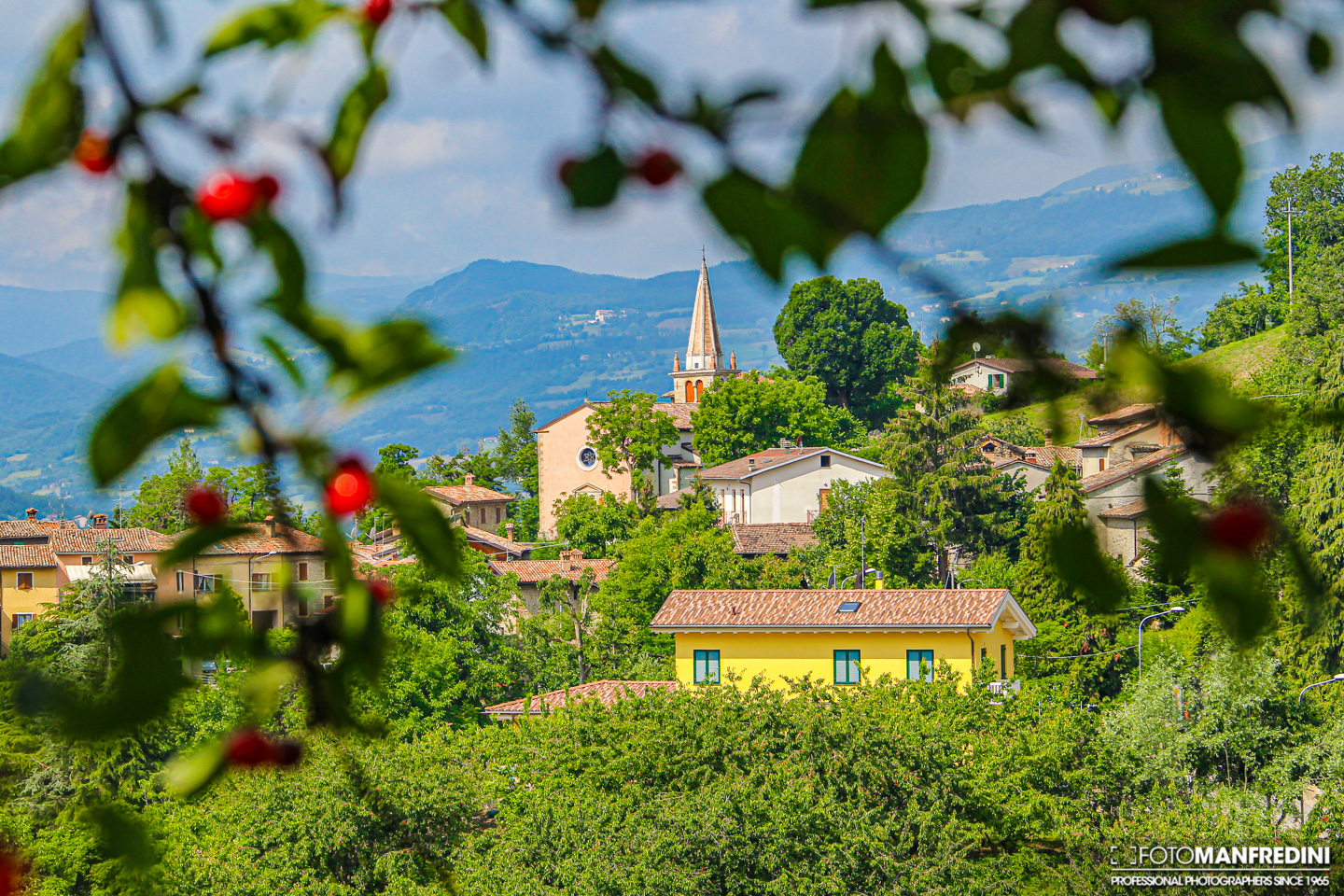
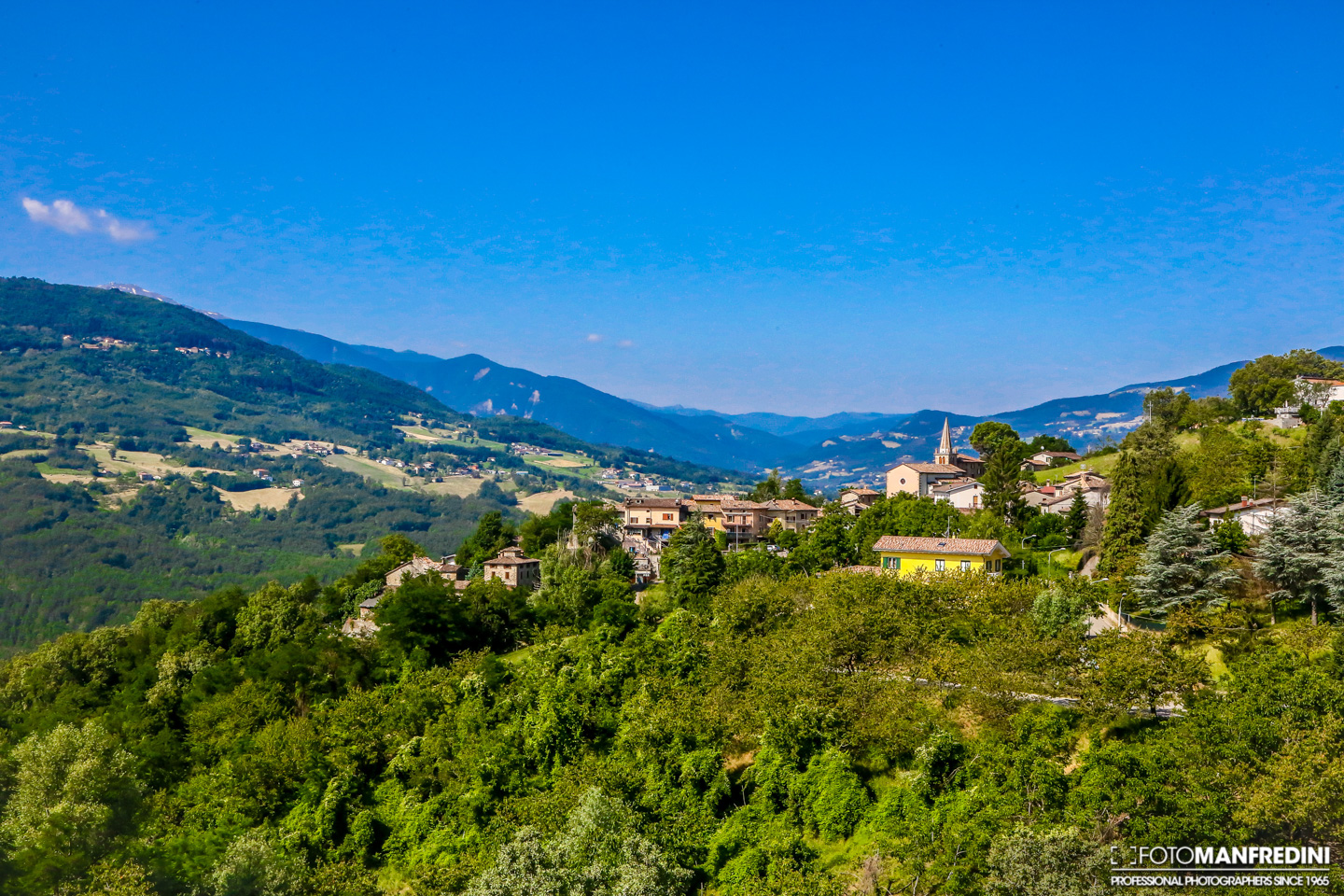
Il paese di Olina è ricordato per la cruenta battaglia del 1269 tra guelfi e ghibellini terminata con la vittoria schiacciante dei Montecuccoli, nell’aspra lotta che li contrapponeva ai Gualandelli per il dominio sul Frignano. Il paese tuttavia si formò più tardi, quando la chiesa di S. Pietro, le cui prime notizie risalgono al 1441, venne dichiarata parrocchia e le venne dato il territorio di altre tre piccole chiese medievali, Burgone, Carpineti e Ronconovo. Politicamente Olina fece parte con Camatta del feudo di Montecenere, assegnato ad un ramo della famiglia Montecuccoli.
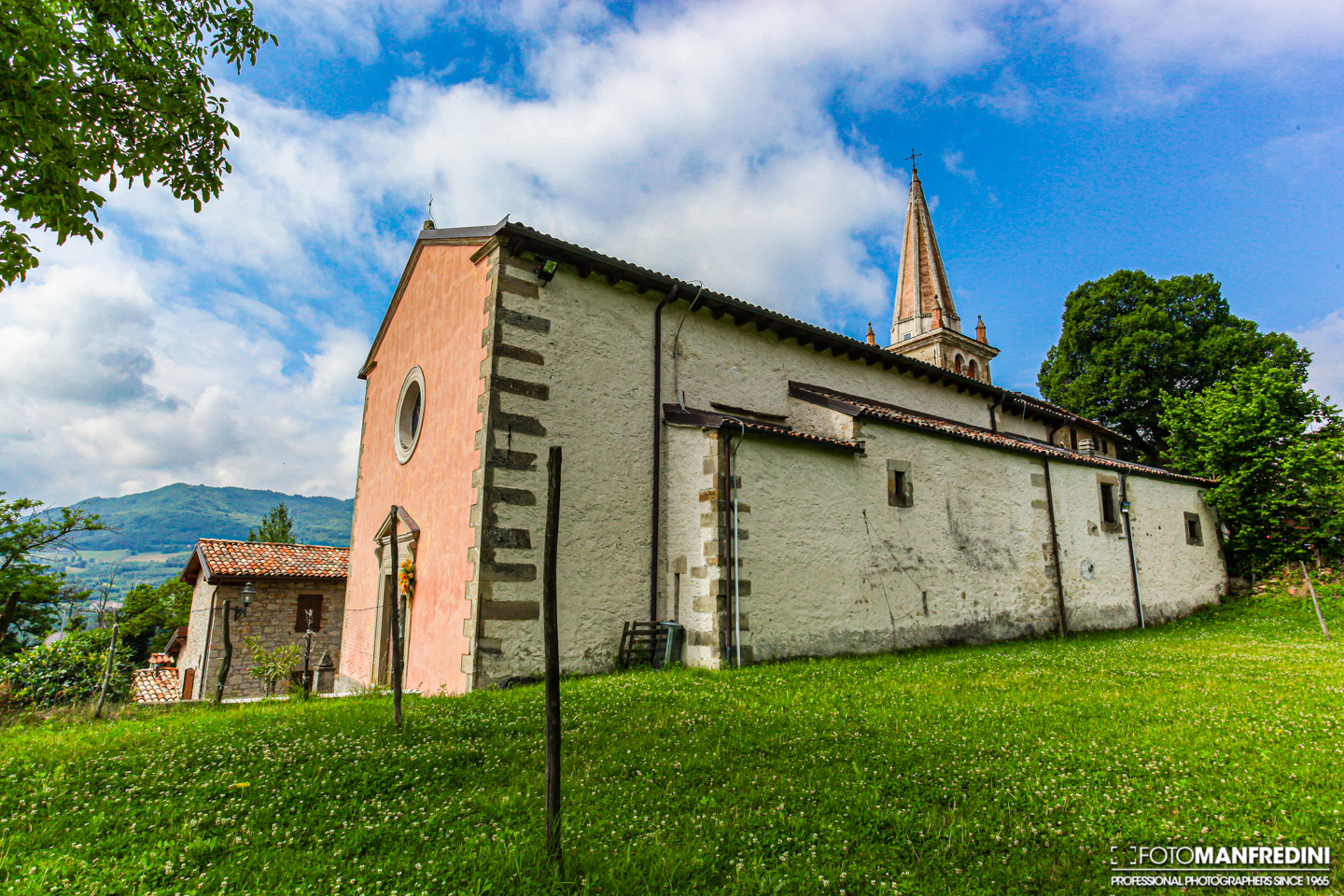
Oggi Olina è famosa per la sua magnifica chiesa. L’antico borgo, infatti, è sovrastato dalla secentesca chiesa parrocchiale dei Santi Pietro e Paolo, di recente completamente restaurata, vero gioiello del barocco appenninico, esempio del senso della bellezza e dell’armonia da cui le comunità rurali, pur nella loro povertà materiale e nella lontananza dai grandi centri artistici, erano guidate nel costruire e ornare le proprie chiese. Suppellettili e arredi dell’interno rappresentano testimonianze significative delle botteghe artigiane della montagna che nella chiesa di Olina hanno lasciato un vero patrimonio artistico: gli altari impreziositi da ricche ancone, opera di intagliatori locali tra cui i Bellei di Acquaria; quadri di Ascanio Magnanini, affermato pittore di Fanano; un imponente altare maggiore ligneo che spicca per la sua insolita e vivace policromia e infine l’organo di Domenico Traeri, celebre organaro e cimbalista alla corte estense. Dal piccolo sagrato si può godere un panorama ineguagliabile sulla vallata dello Scoltenna, dominata dalla rocca di Montecuccolo, dalla torre di Gaiato, dal paese di Renno con la pieve. In fondo il serpeggiante argenteo letto del fiume.
Poco distante dalla chiesa una piccola appartata corte ha mantenuto il suo aspetto originario e la sua struttura primitiva con una torre e una casa-torre con balchio detta Casa del Papa dal soprannome del proprietario, un certo Domenico Burgoni vissuto nel secolo XVIII. Nel paese frequenti le tracce del passato di Olina; l’antica canonica, in cui soggiornò l’organaro Traeri; due stemmi dei Montecuccoli, di cui uno dalla tipologia insolita mostra l’aquila che mangia i frutti cresciuti sui monti sottostanti.
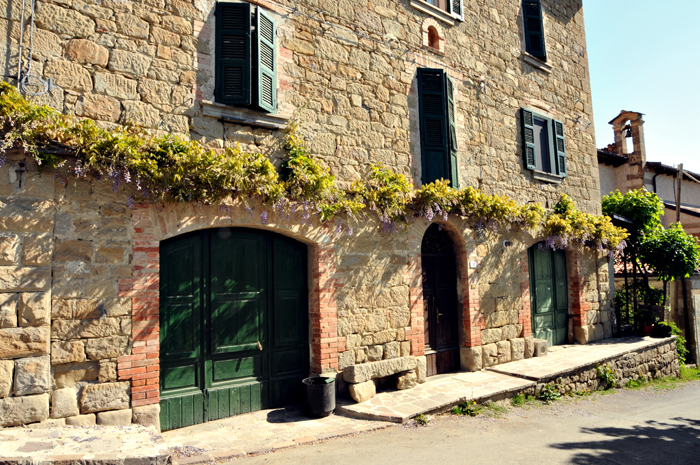
Nel piccolo e antico borgo di Ca’ d’Olina, prospiciente la piazzetta, si affaccia una caratteristica casa balchionata. Nelle vicinanze sulla parete esterna di una casa è scolpita una marcolfa con una scritta riportante un saggio motto popolare composto in forma di scioglilingua: NON DIR DI ME QUEL CHE DI ME NON SAI PENSA DI TE E POI DI ME DIRAI.
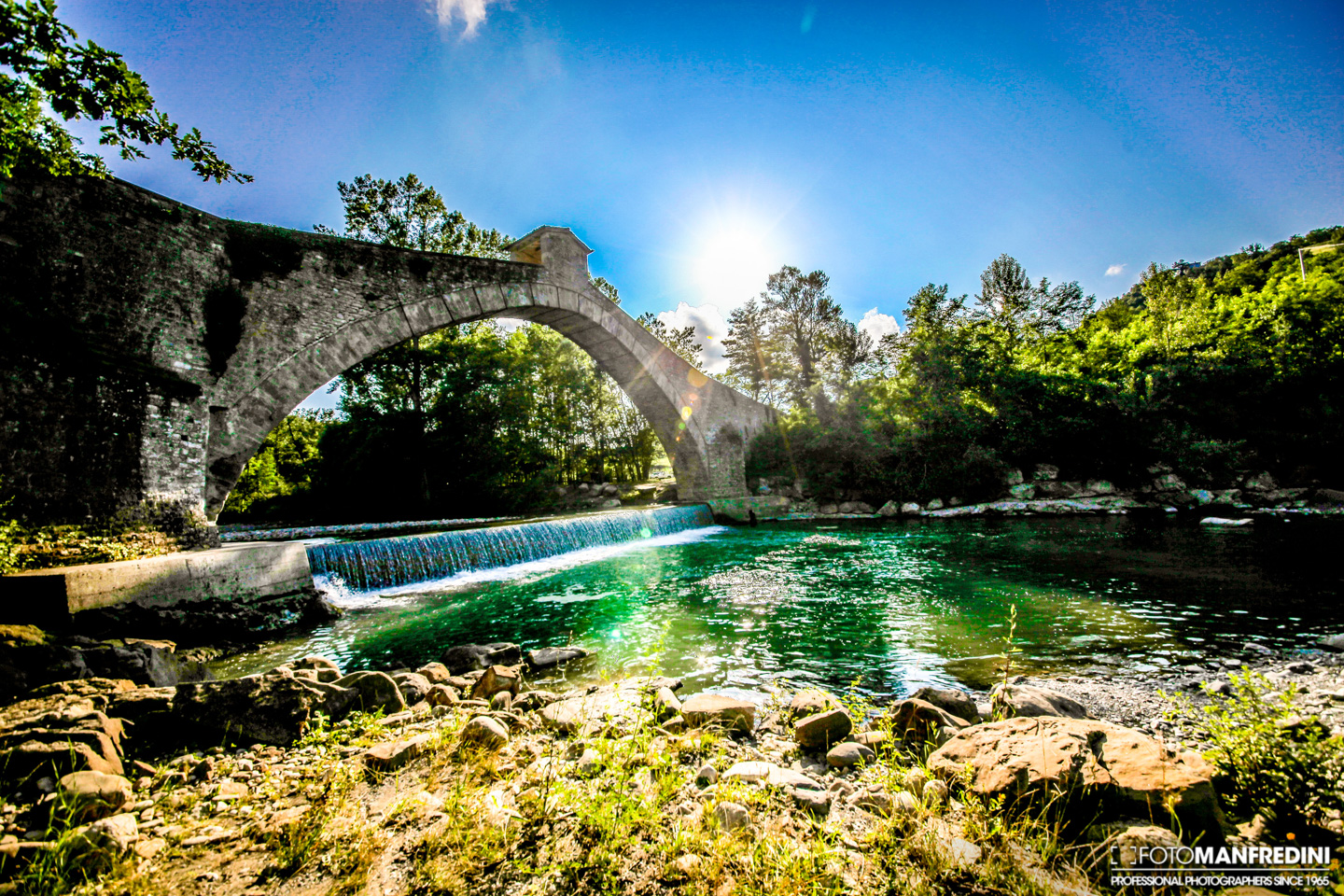
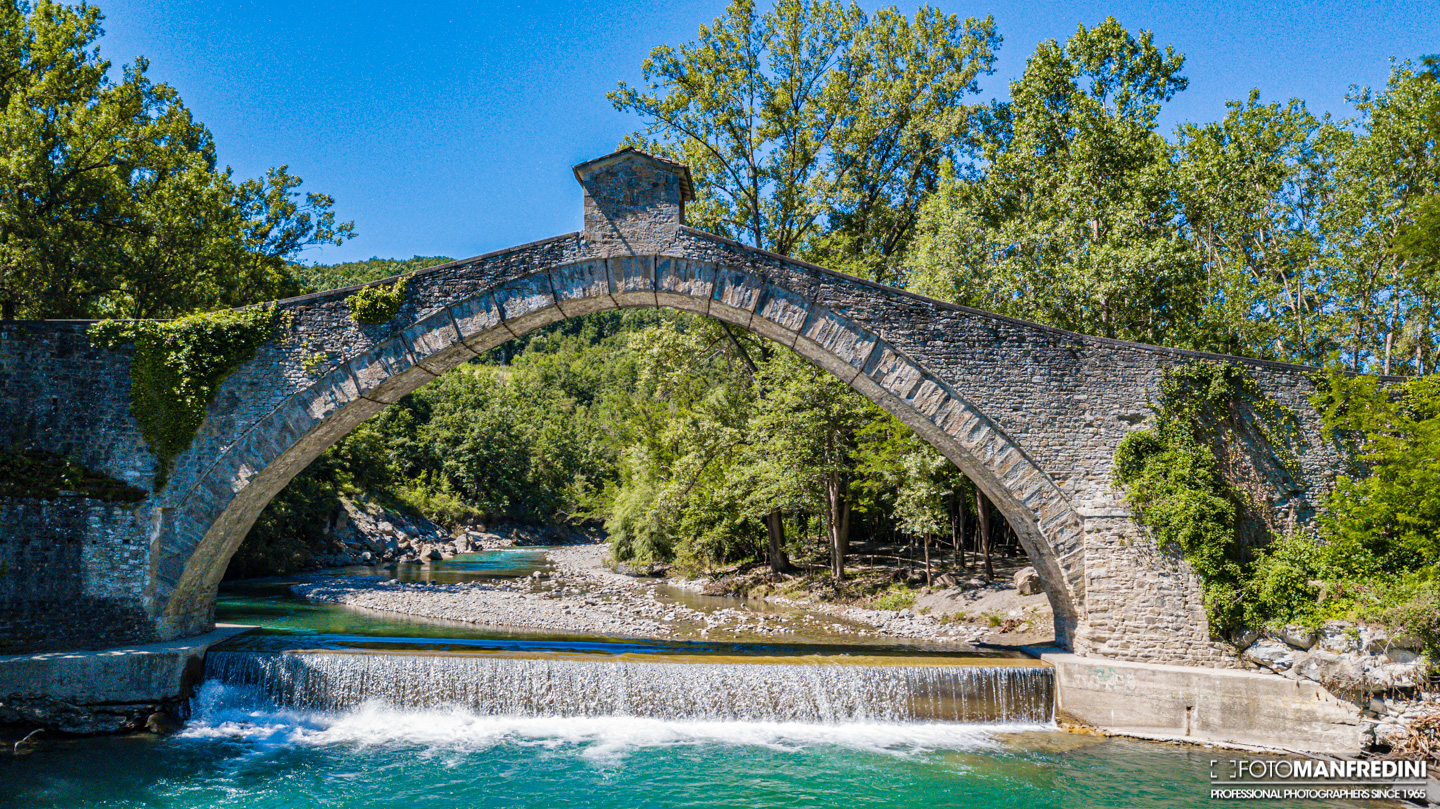
QUi tutte le info sul Ponte di Olina
English version
The town of Olina is renowned for the bloody battle of 1269 between the Guelphs and the Ghibellines, which ended with a crushing victory of the Montecuccoli in the bitter struggle that pitted them against the Gualandelli for dominion over Frignano. The town, however, was formed later, when the church of St. Pietro, which first records date back to 1441, was declared a parish and was given the territory of three other small Medieval churches: Burgone, Carpineti and Ronconovo. Politically Olina was part of the Montecenere feud with Camatta, assigned to a branch of the Montecuccoli family.
Olina is now famous for its magnificent church. The ancient town is dominated by the seventeenth century parish church of Saints Pietro & Paolo, recently completely restored, and is a true masterpiece of the Apennine Baroque, an example of the sense of beauty and harmony by which the rural communities, despite their material poverty and distance from the great artistic centres, were guided in the construction and adornment of their churches.
The interior furnishings represent significant evidence of the artisan workshop of the mountain, which have left a true artistic heritage in the church of Olina: the altars embellished with rich altarpieces, made by local carvers including the Bellei of Acquaria: paintings by Ascanio Magnanini, an established painter from Fanano; a majestic wooden main altar that stands out for its unusual and lively polychromy and lastly the organ of Domenico Traeri, a famous organ builder and cymbalist at the Estense Court. From the little churchyard, you can enjoy an incomparable view of the Scoltenna valley, dominated by the Montecuccolo fortress, the Gaiato tower and the town of Renno with its parish church. At the bottom the winding silver river bed.
Not far from the church, a small secluded courtyard has maintained its original appearance and its original structure with a tower and tower house with a balcony called Casa del Papa from the nickname of the owner, Domenico Burgoni who lived in the 18th century. In the town there are frequent traces of Olina’s past; the ancient rectory, where the organ builder Traeri stayed; two coats of arms of the Montecuccoli, one of which of an unusual type shows the eagle eating the fruits grown on the mountains below.
In the small and ancient hamlet of Ca’ d’Olina, overlooking the small square, there is a characteristic house with balconies. Nearby on the external wall of a house a marcolfa is carved with an inscription containing a wise popular motto composed in the form of a tongue twister : NON DIR DI ME QUEL CHE NON SAI PENSA DI TE E POI DI ME DIRAI (don’t say about me what you don’t know about me, think about yourself then you will say about me)
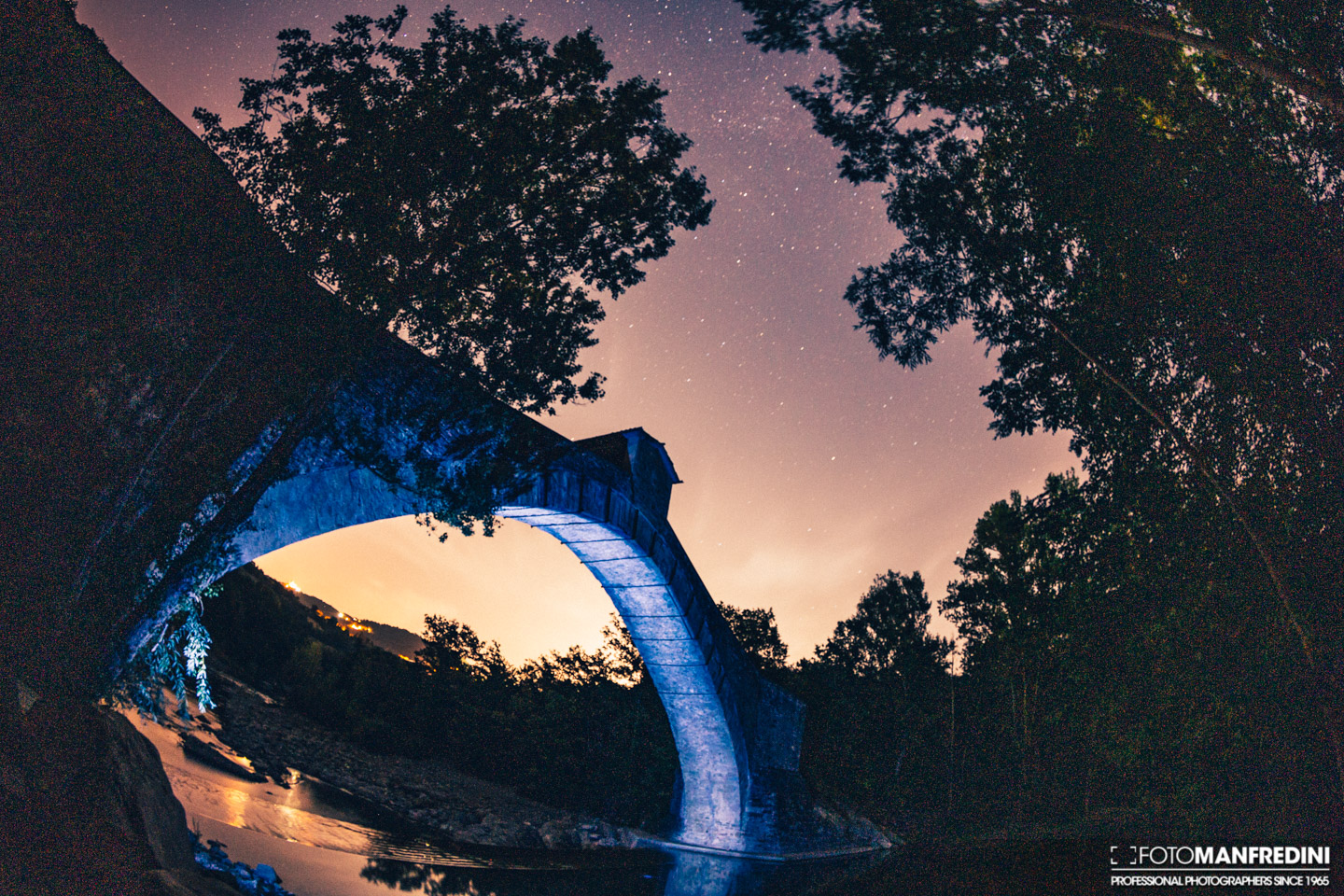
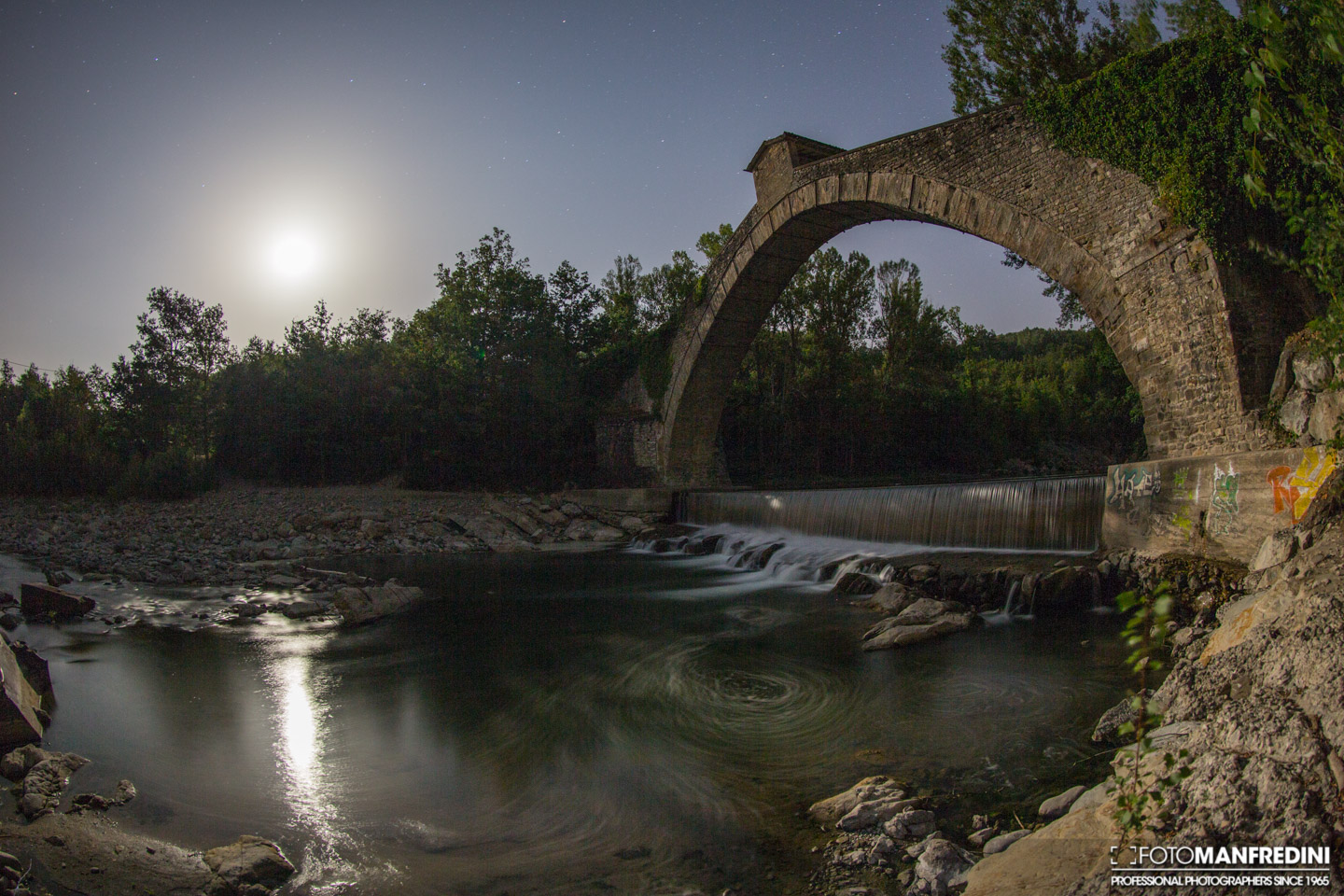
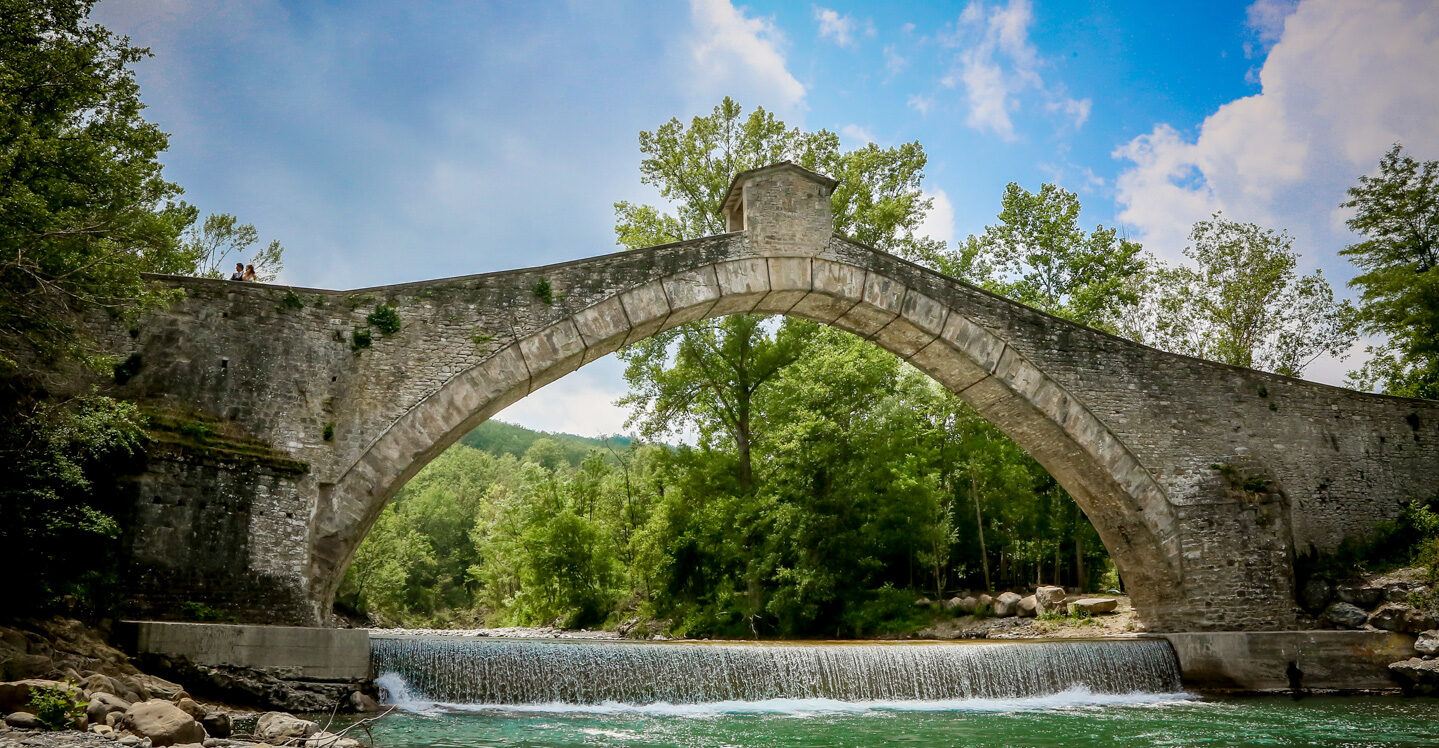
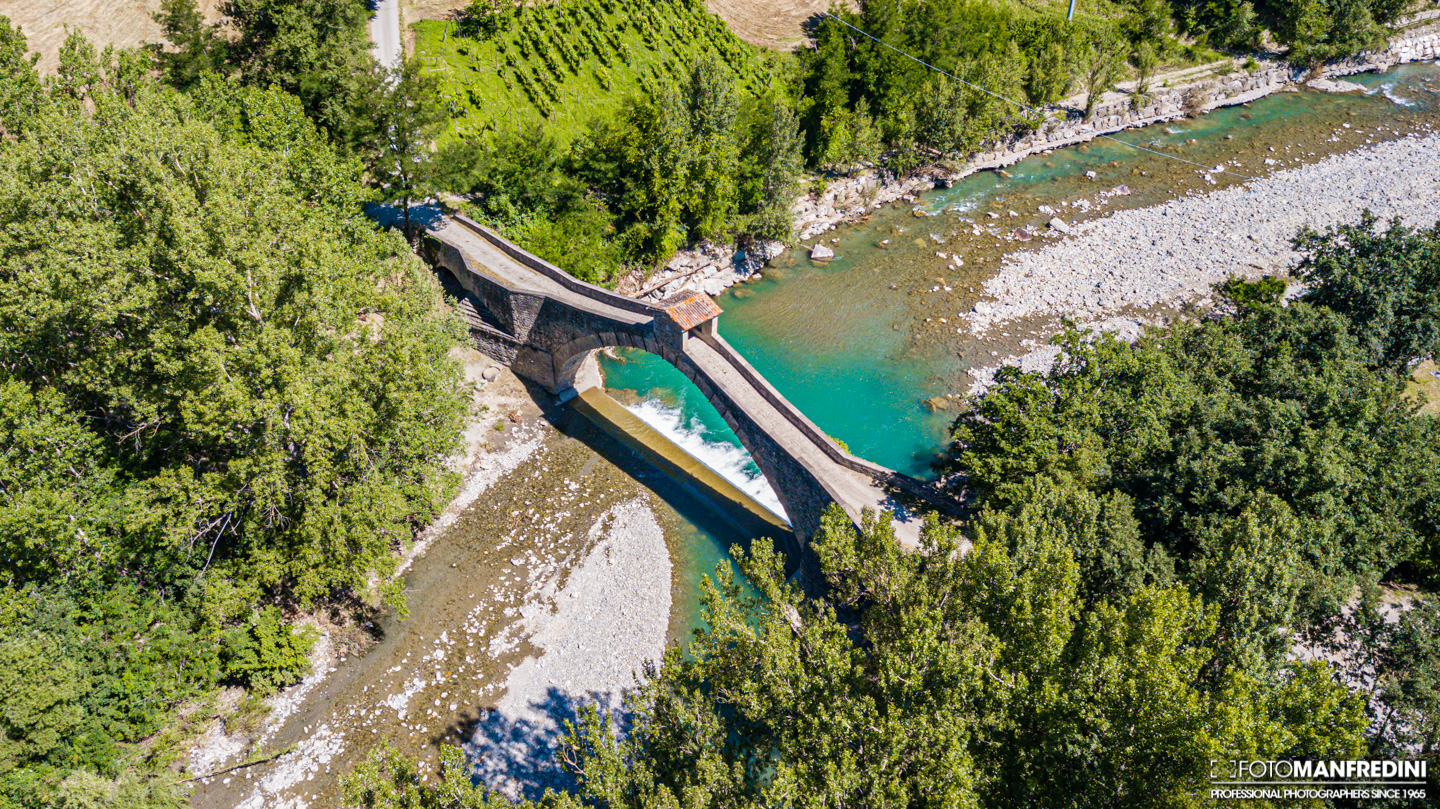
Ponte di Olina