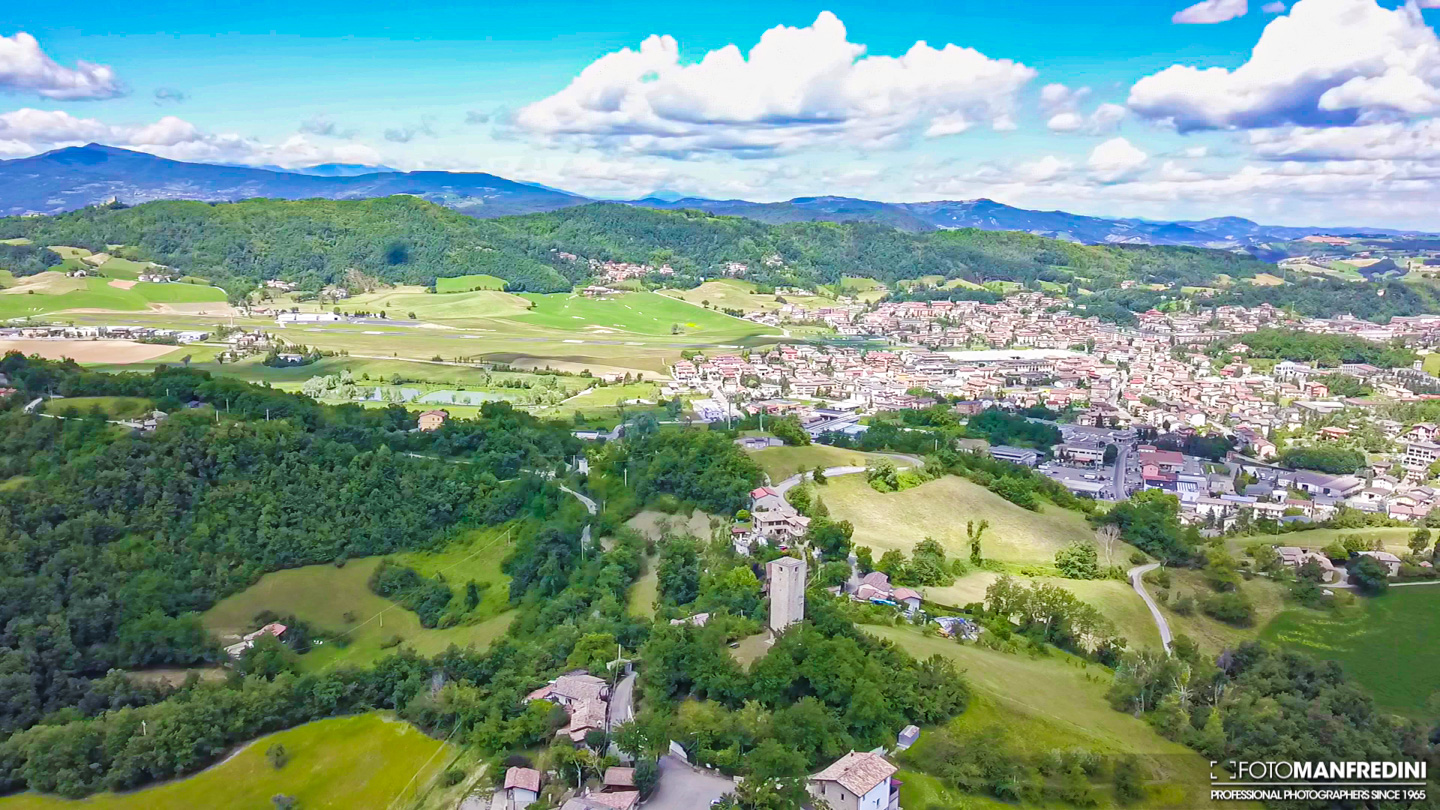
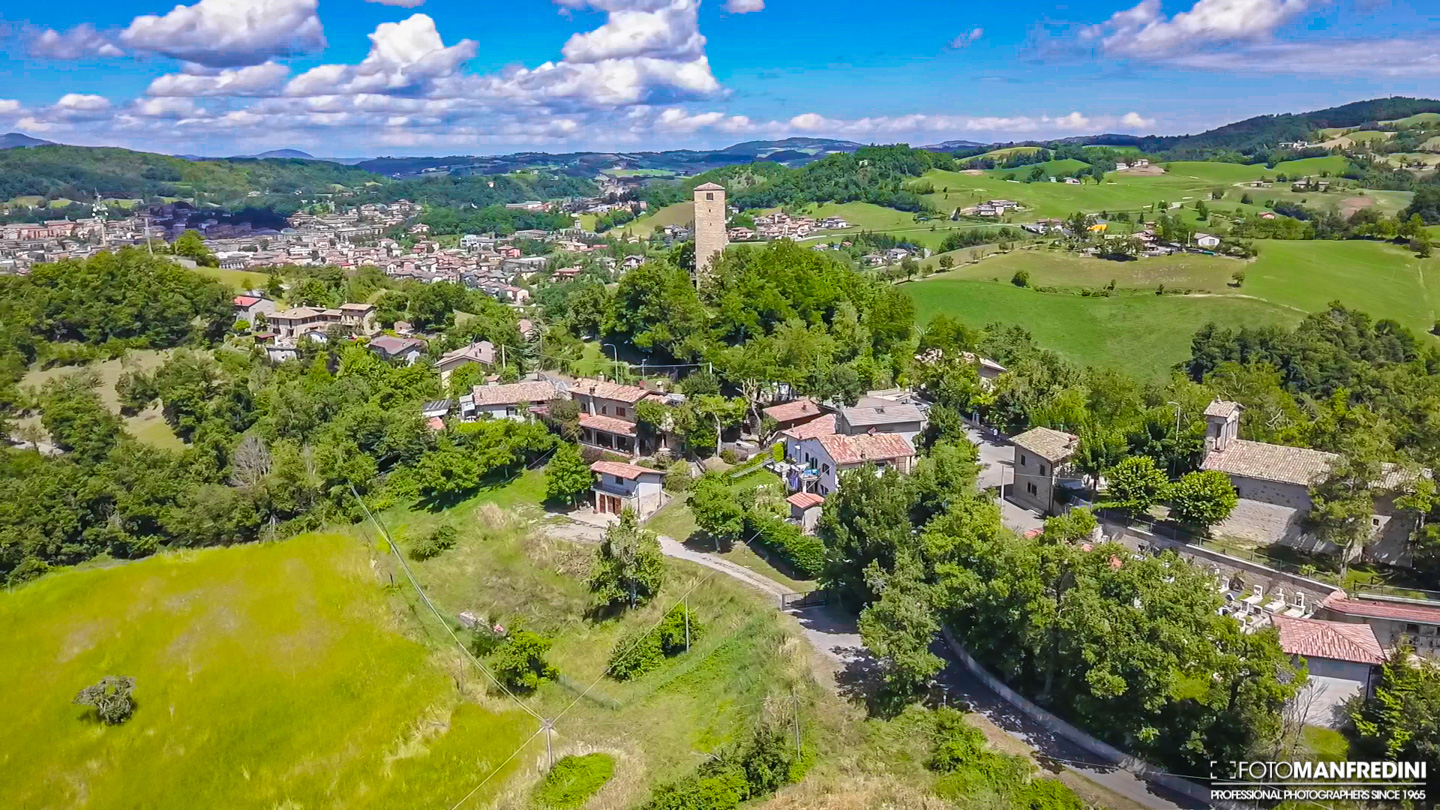
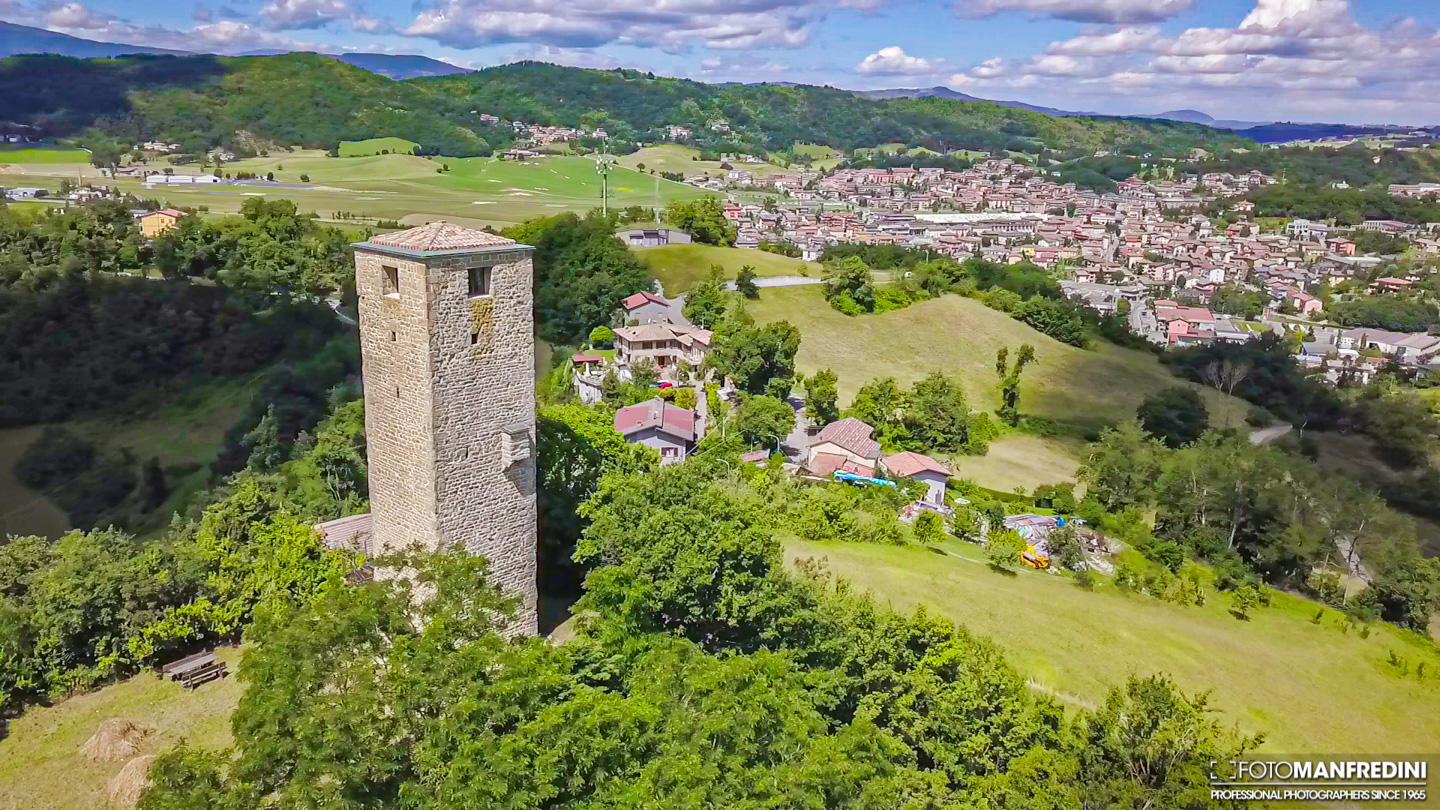
Il borgo di Niviano è disposto intorno all’antica torre costruita con funzione di vedetta su un colle al centro della valle del torrente Lerna. Secondo la tradizione era circondato da una cinta muraria, dentro cui si entrava solo attraverso due porte ben guardate. All’interno si trovavano la chiesa e la canonica. L’antico e misterioso nome Gallinamorta, che tuttora viene diffusamente utilizzato, fu burocraticamente cancellato nel 1710, quando il feudatario Cristoforo Tardini, stanco di essere preso in giro come conte di Volpara e di una gallinamorta, ottenne il permesso dal Duca di mutarne il nome in Niviano.
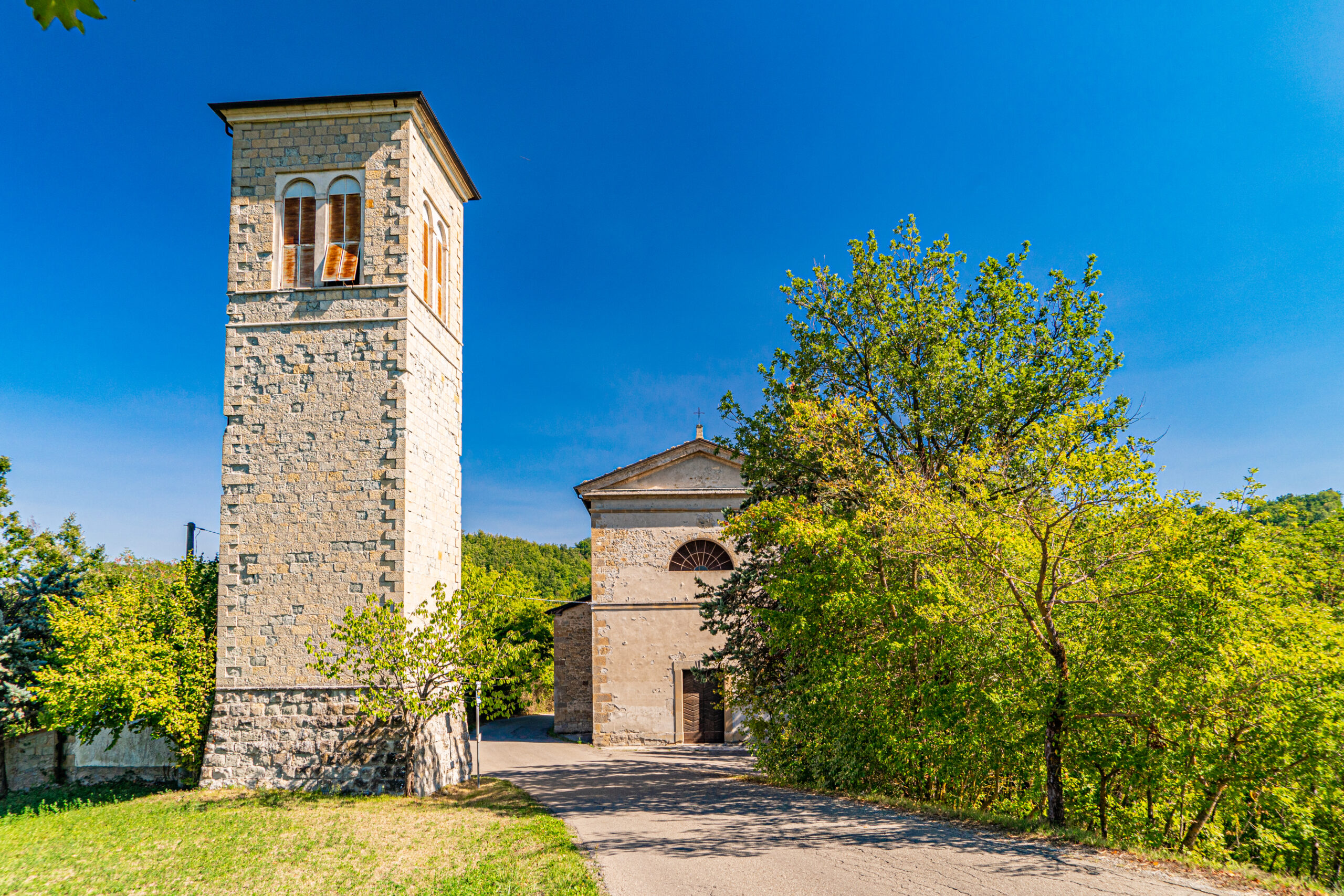
All’ingresso del paese, in occasione della peste del 1630, fu costruito l’oratorio di San Rocco, ora diroccato. La tela che ne ornava l’altare maggiore si trova nella moderna chiesa parrocchiale, costruita in stile neoclassico alla metà del XIX secolo su progetto dell’ingegner Antonio Vandelli a monte del paese insieme all’imponente campanile.
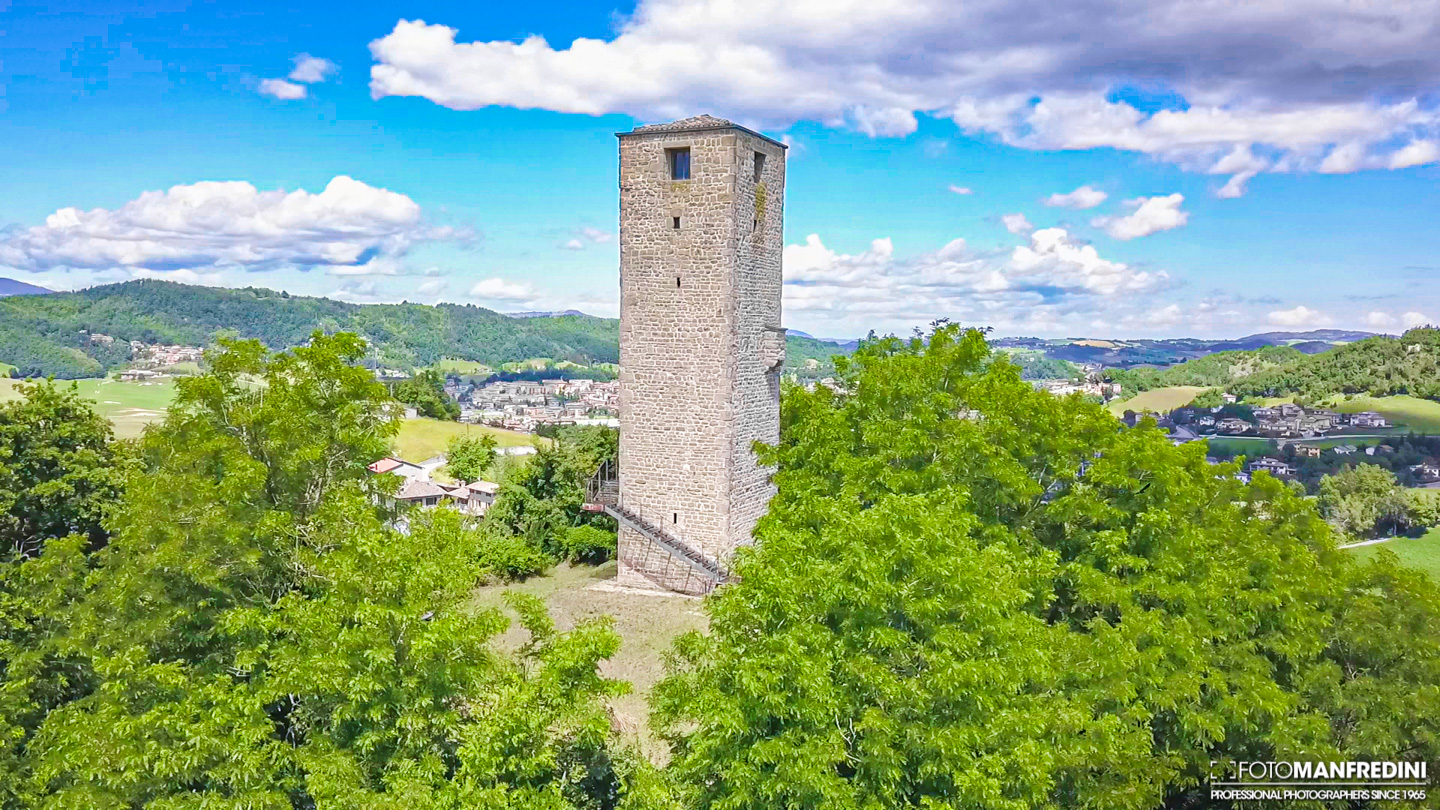
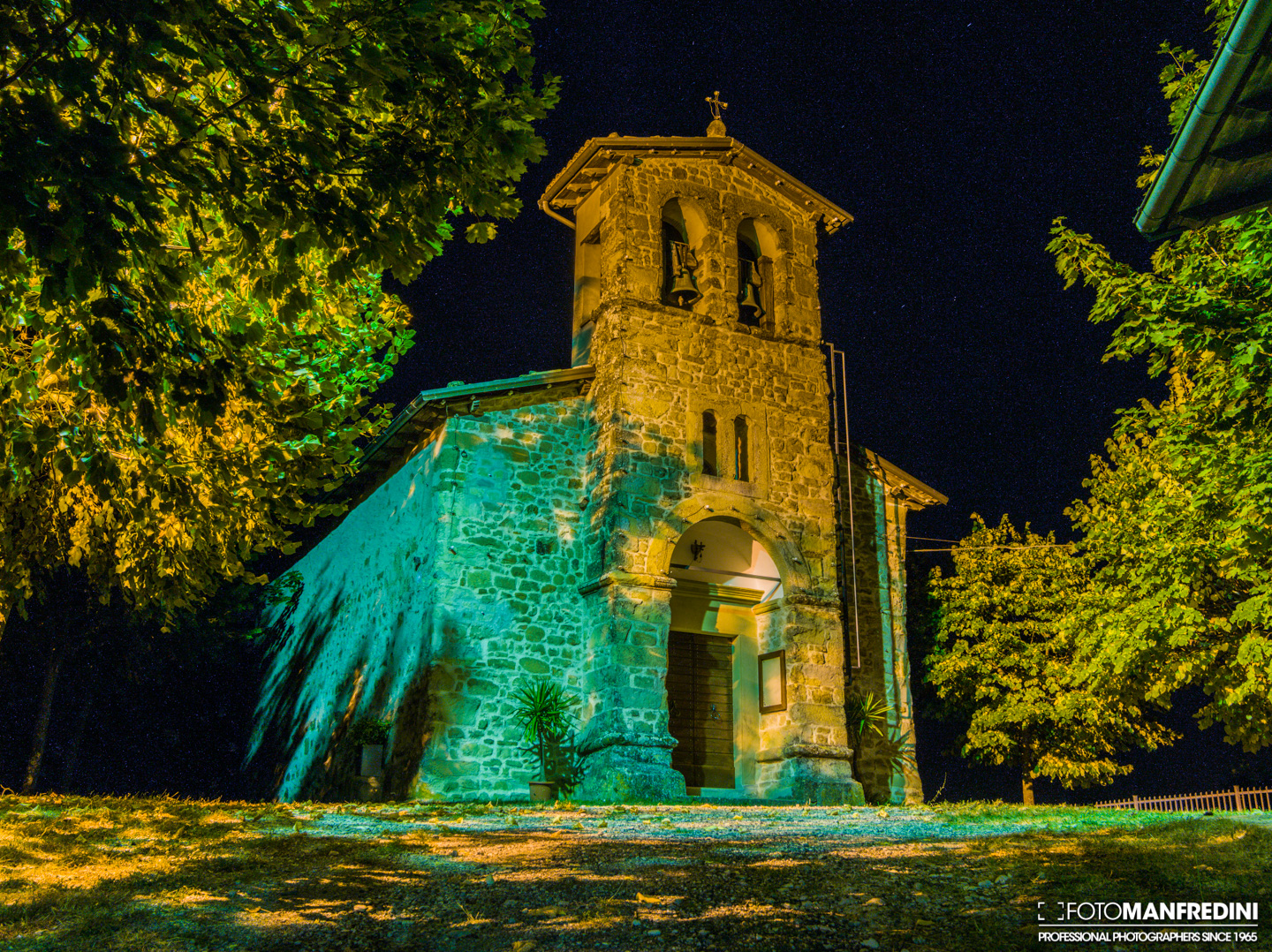
Nei pressi di Niviano sorge la suggestiva località di Lavacchio. Fortificato a più riprese diventa nel 1242 uno dei maggiori punti difensivi della zona. Lavacchio trova il suo simbolo nella Torre attualmente ripristinata, ed a tutti i lavori di restauro che hanno permesso di consolidare una struttura di altissimo pregio trascurata e abbandonata per moltissimi anni. Caratteristica è la chiesetta di Lavacchio, consacrata nel 1522 e dedicata a Sant’Anna, con il campanile posto nel mezzo della facciata.
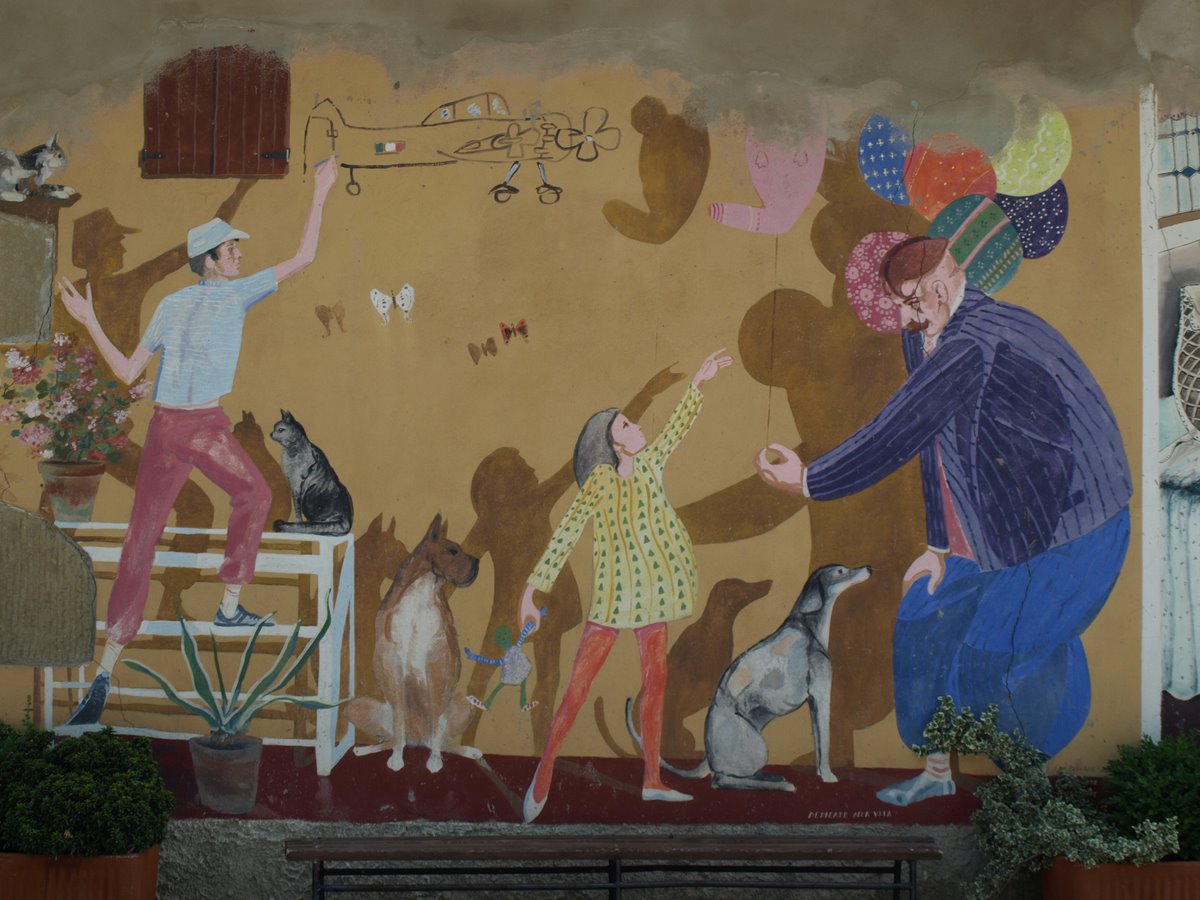
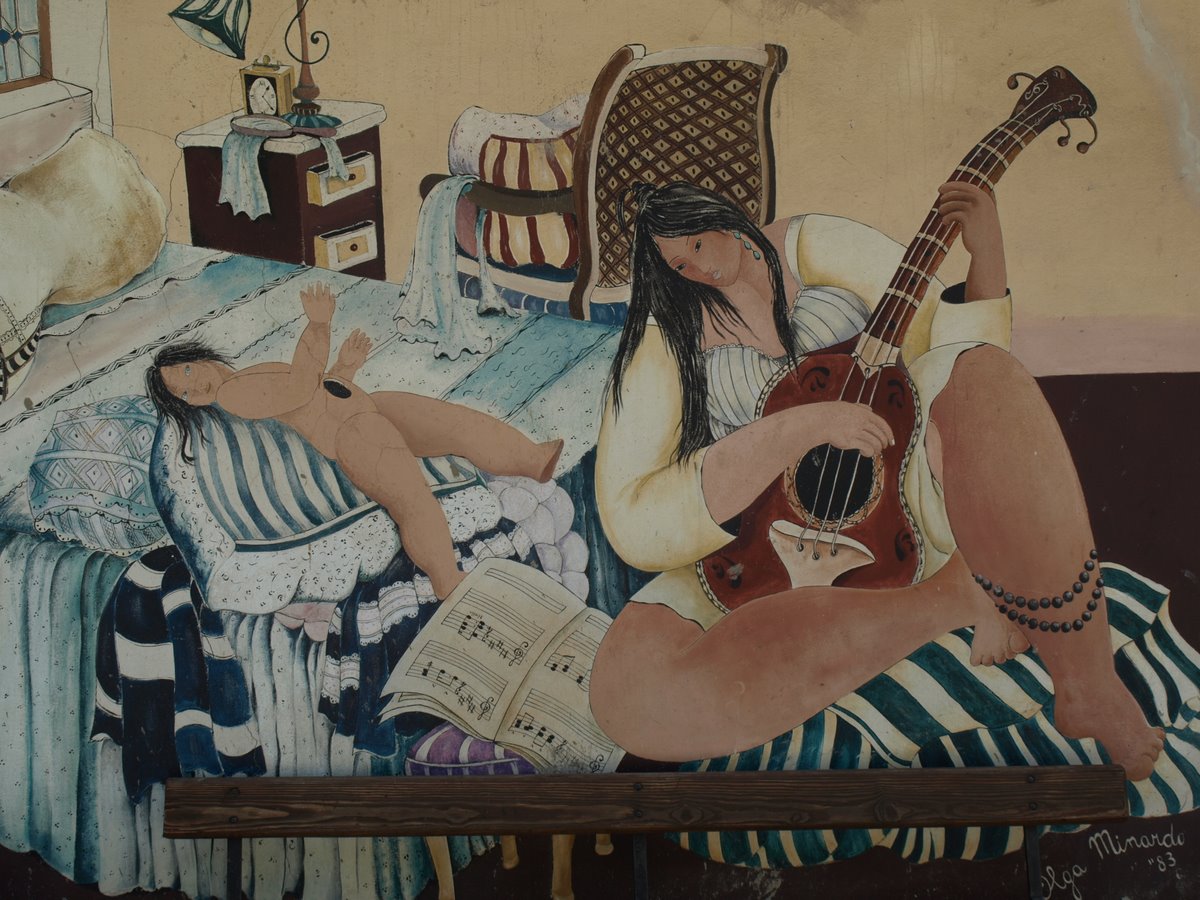
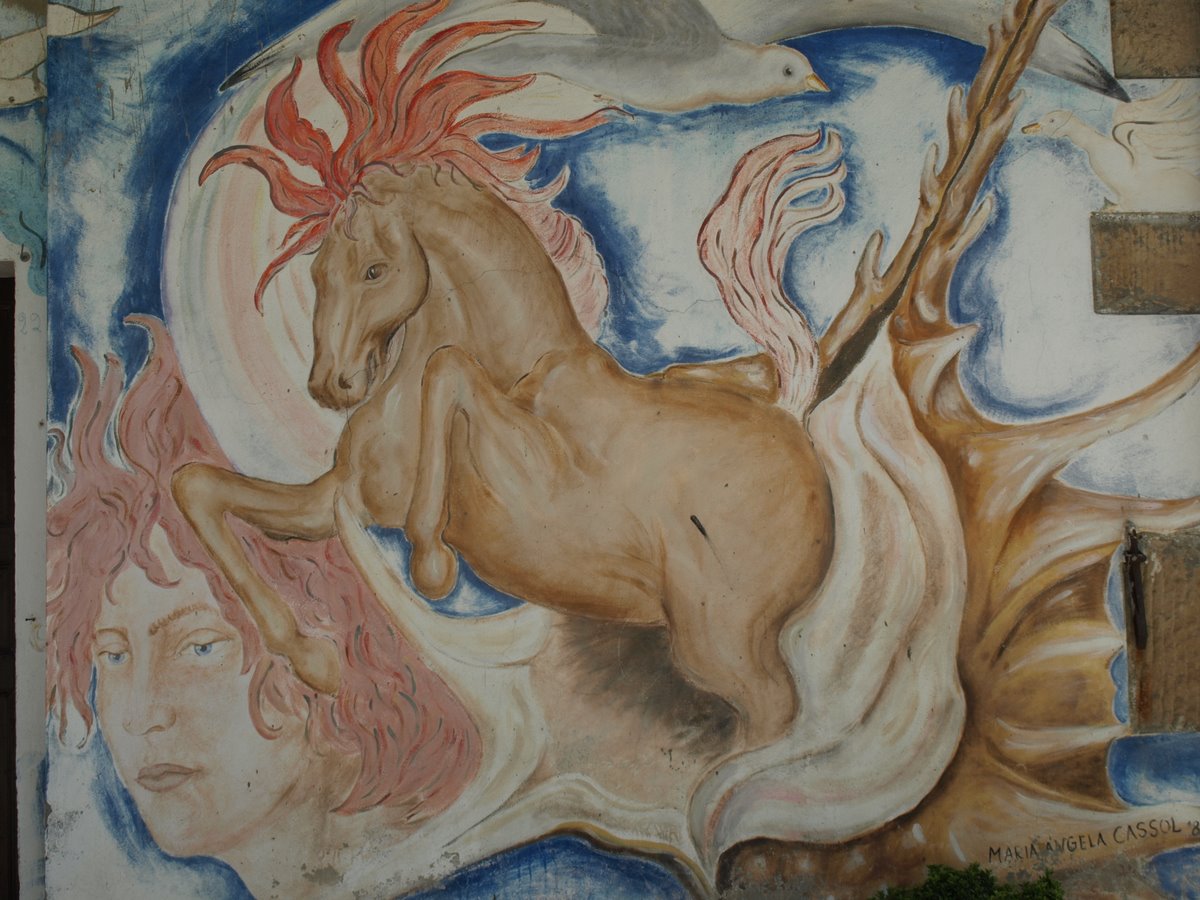
Il borgo particolarmente suggestivo e caratteristico, oggetto di riqualificazione da parte dell’Amministrazione Comunale, ospita opere di pittura, scultura e mosaico presenti sin dagli anni’80. Lavacchio è un centro culturale ed artistico che ha visto nascere nel 2020, a cura dell’Assessorato alla Cultura, la Biennale d’Arte “Sui Muri di Lavacchio” e l’omonima Biennale di Poesia inserita nel ricco cartellone del Poesia Festival.
Nei pressi della frazione sorgono i borghi di Gallinamorta, con il suo oratorio, Beneverchio e Mulino Cornola.
English version
The hamlet of Niviano is arranged around the ancient tower built as a lookout on a hill in the centre of the Lerna stream valley. According to tradition it was surrounded by a ring of walls, accessible only through two well guarded doors.
Inside there were the church and the rectory. The ancient and mysterious name Gallinamorta, which even now is still widely used, was bureaucratically cancelled in 1710, when the feudal lord Cristoforo Tardini, tired of being made fun of as the Count of Volpara (fox) and Gallinamorta (dead chicken), obtained permission from the Duke to change the name to Niviano.
At the entrance to the town, during the plague of 1630, the now ruined oratory of San Rocco was built. The canvas that adorned the main altar is located in the modern parish church, built in neoclassical style in the mid-19th century projected by the engineer Antonio Vandelli upstream from the town together with the imposing bell tower.
Near Niviano stands the suggestive town of Lavacchio. Fortified several times it became one of the major defensive points in the area in 1242. Lavacchio finds its symbol in the currently restored tower, and in all the restoration works that have made it possible to consolidate a building of the highest value neglected and abandoned for many years. Characteristic is the small church of Lavacchio, consecrated in 1522 and dedicated to Sant’Anna, with the bell tower placed in the middle of the facade.
The particularly suggestive and characteristic hamlet, subject to redevelopment by the Minicipal Administration, hosts works of painting, sculpture and mosaic present since the 1980s. Lavacchio is a cultural and artistic centre that has seen the creation in 2020, organized by the Department of Culture, of the “Sui Muri di Lavacchio” Art Biennale and the Poetry Biennale of the same name included in the rich program of the Poetry Festival.
Near the hamlet are the villages of Gallinamorta, with its oratory, Beneverchio and Mulino Cornola.